My name is William Petruzzo
I am an artist and a creative explorer.
I began my journey as a child admiring my father’s photography. I took a liking to illustration and cinema, and later to graphic design. My medium has always been visual, until recently when I began experimenting with music.
In my view, art is uniquely human, and that is how I define it: as that which is created by a human with intention. I believe there is a great deal to learn about ourselves and those around us if we give ourselves to the discipline of bringing things to life every day. Even when it’s ugly, art is love and love brings life.
I believe a happy life is one with people you love, and passions you have the freedom to pursue. I create for myself, and for my livelihood. If you are interested in commissioning my services, you can do so through the Petruzzo Photography collective. You can also find me on Mastodon.
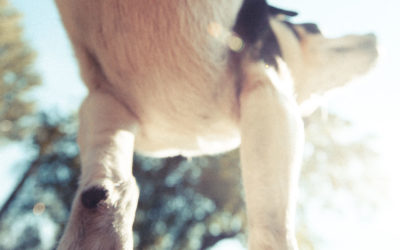
“Don’t Mind a Thing” Music from August
So here we finally are, onto the second half of the project I posted a couple weeks ago. Well, no, this and the other one are in fact discrete projects. But, I’m lumping them together because I switched back and forth between working on one and working on the...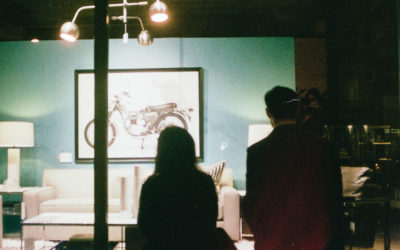
“See For Yourself” Music from July
These last few months, my projects have seemed to become this nebulous blob. One day I’m out shooting a roll of film for something I think’ll be done sometime next year. The next day I’m setting up lights and cameras for some interview style videos....
Drifting, Light Leaks, and Accidental Frames Through June
Last weekend I got caught up on this blog up through May, with my rendition of Only You, by Yaz. This month, I’m getting caught up through June with images from the last few rolls of film, which I shot throughout April, May and June–and maybe one or two...
Only You, a Rendition of Yazoo in May
Well, I am quite behind here on this blog. Almost 3 months to be exact. I briefly considered simply post-dating these blogs and then pretending like I’d published them on-time, but that old saying “Integrity means doing the right thing even when no one is watching”...
Fumbling with Film in April
Between about September and October of last year, I shot my first rolls of film in 15 years. It was invigorating. Approaching fresh, after more than a decade working as a photographer in the digital medium, film has invited me to slow down the process of seeing,...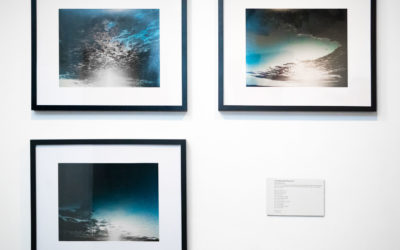
March Was All About the Art Show
I spent pretty much all of March working on something I’d be willing to show in an art gallery, because that’s what was going on in March. My friends are crafty, artsy people. We like to get together, but we also like to feel intellectual while...Books I’ve Been Reading
![Profitable Podcasting [Review]](https://www.williampetruzzo.com/wp-content/uploads/2018/01/profitable-podcasting-book-cover-400x250.jpg)
Profitable Podcasting [Review]
Profitable Podcasting: Grow Your Business, Expand Your Platform, and Build a Nation of True Fans—look, I really, really didn’t enjoy reading this book, and before I get into why I’m glad I did anyway, I just want to get all this pent up bullshit out...![What The Hell Did I Just Read [Review]](https://www.williampetruzzo.com/wp-content/uploads/2017/11/what-the-hell-did-I-just-read-book-cover-400x250.jpg)
What The Hell Did I Just Read [Review]
What the Hell Did I Just Read, by David Wong, aka, Jason Pargin is the third book in the ridiculous sci-fi, fantasy, horror, whatever novel series John Dies at the End. This series of books just happens to be among my favorites of all time, next to Wong’s other...![Stamped from the Beginning [Review]](https://www.williampetruzzo.com/wp-content/uploads/2017/10/Stamped-from-the-Beginning-Book-Cover-400x250.jpg)
Stamped from the Beginning [Review]
I have started, and stopped and started, and deleted, and started and deleted and started again, on this write up of Stamped from the Beginning by Ibram X. Kendi at least half a dozen times. There’s some part of me that feels like a ‘review’ is...More from the Blog
Oh Crit! The DnD Improv Show Video Campaign from September
Hello again, void. I’m sorry it’s been a few months since you heard from me. There’s just so much going on right now, it’s hard to keep everything straight. Ok, where were we? Right, back in September.
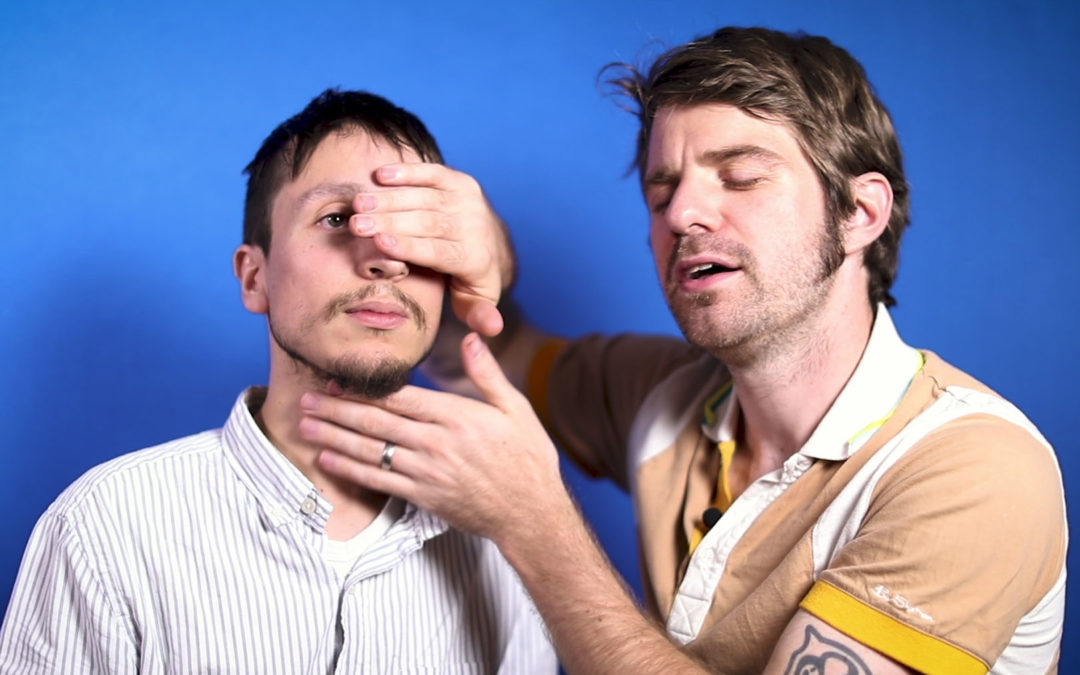
Back in September some very good friends, Jordan Patterson and Callan Holderbaum, were planning for the debut performance of the show they produced and directed together, called Oh Crit! The Dungeons & Dragons Improv Show. Before the show, the three of us got together to discuss a series of videos we could produce quickly, and inexpensively, which the duo could use to help promote the inaugural show. We went through a variety of concepts looking for the right mix of low-investment, and high output. At this point, they were only about 5 weeks out from the first show, and so there were some significant limitations on what we could feasibly do in regards to scheduling and budget. And what I could feasibly do in regards to shooting and editing. We toyed with some prop-heavy dungeons and dragons concepts and some narrative concepts involving incidental sets and possibly post-processing effects.
In the end, though, we landed on an improv-heavy concept which was mostly acquiescent because we’d burned up so much time talking about it. From a production perspective this would work, though. Put one or more people in front of a camera, give them some improv-like games to play, and then cut them down into short clips of the funniest and most intentionally-seeming stuff; bonus points if it had anything to do with Dungeons & Dragons.
The concept for the campaign was to post one of these off-the-cuff style videos every day until the first show. The videos were received warmly, and largely as intended. Unfortunately, this was their first time planning a show of this kind, and it was my first time planning a campaign for this kind. The campaign failed to take into account that although Jordan & Callan were producers and directors of the show, they wouldn’t be front and center for much of it. In fact, they weren’t players in the show at all. Although there were a lot of funny moments throughout the videos in the campaign, and each and every video was punctuated with info for attending one of the performances, one could be forgiven for thinking Callan & Jordan would be the “stars” of the show. Over the first week and a half of posting, it was becoming clear that advertisements promoting the show really ought to include the players themselves in some capacity. After that the campaign was mostly abandoned in favor of material that featured the rest of the players.
Although the campaign didn’t see its way to the end, I don’t count this as a waste. There were a number of reasons I signed on to help with this in the first place. First and foremost, I wanted more real-world experience with the process of film production, and especially interview-style production. In some ways, this kind of video is extremely simple and as I expected, there weren’t any big surprises. But there were a lot of small, mostly inconsequential problems that one with a most academic understanding of all this wouldn’t think to expect. “Oh, we need another diffuser for this”, “Oh we’re definitely going to need fill light”, “Oh, I’m going to need that gaffers tape”, “Oh, we’ll need a shorter bench to sit on”. So on and so on. This was the kind of experience I was after, I wanted to take a highlighter to the nuanced challenges that are going to crop up, and start to build a playbook for how to deal with them when I’m working with actual clients.
Another reason I wanted to be involved in the project is much like the first, but on a macro scale. I wanted experience with a video campaign process from start to finish. Let me explain what I mean by that. In still photography, and a lot of multi-step processes, each phase of a project has a kind of feedback loop going on. Planning badly leads to a frustrating shoot, which leads to a difficult time editing. Take a bad picture, and have a bad time processing it. Each part of the process teaches you something about every other part of the process, but only if you are involved in every part of the process. This is what I wanted to gain a perspective on, and why I was eager to be there from the earliest stages of planning. I wanted to get a real sense of how each phase of a simple film project like this one relates to each of the others. And I think I got that.
So, having helped plan, and then shot and edited this campaign, there are a few things I’d do differently in the future.
First, although the blue backdrop was simply an aesthetic choice, I’d have set these shots up more deliberately to make dropping the background out easier, and I’d also have more deliberately positioned Jordan & Callan so that they wouldn’t fall out of the frame to the left or right so often. I say this because there were things I wanted to do in post that became time-prohibitive and had to be abandoned. Had I taken just a few more minutes to address these things while shooting, it would have made all the difference. I also would have come equipped with a list of improv games to oscillate through, rather than just leaving it to the group to come up with stuff on the spot.
From a technical aspect, I think I’d have set up a third, fail-safe microphone. In most of these videos, the lapel mics worked well, but the audio was peaking in a few places and there was nothing that could be done to fix it. When it comes to audio, I’d ultimately prefer some roomier noise, than the sound of voices peaking.
In the end, I’m rather pleased with this collection of videos, and think it’d have worked really well as a campaign if Callan & Jordan were actually the main performers in the show it was advertising. I think there are some great moments in these videos that are worth checking out, especially if you know Jordan & Callan personally, but still even if you don’t. The show they’re promoting in these videos happened back at the beginning of October. But, fret not, if you’re clamoring for some Oh Crit! The DnD Improv Show after watching the video campaign, they’ll be doing another set of shows this coming January. Just head over to the Facebook page for all the latest juicy details. I can personally vouch for the entertainment value of this performance. Everything you love about improv, with a dungeons and dragons attitude that’s funny for everyone—not just the die hard fans.
Next time I’ll be sharing another video which I worked on with Greg Ferko (who also works with me over at Petruzzo Photography). It’s a video of a live music performance, and it’s a first-of-its-kind project for me. Stay tuned!
“See For Yourself” Music from July
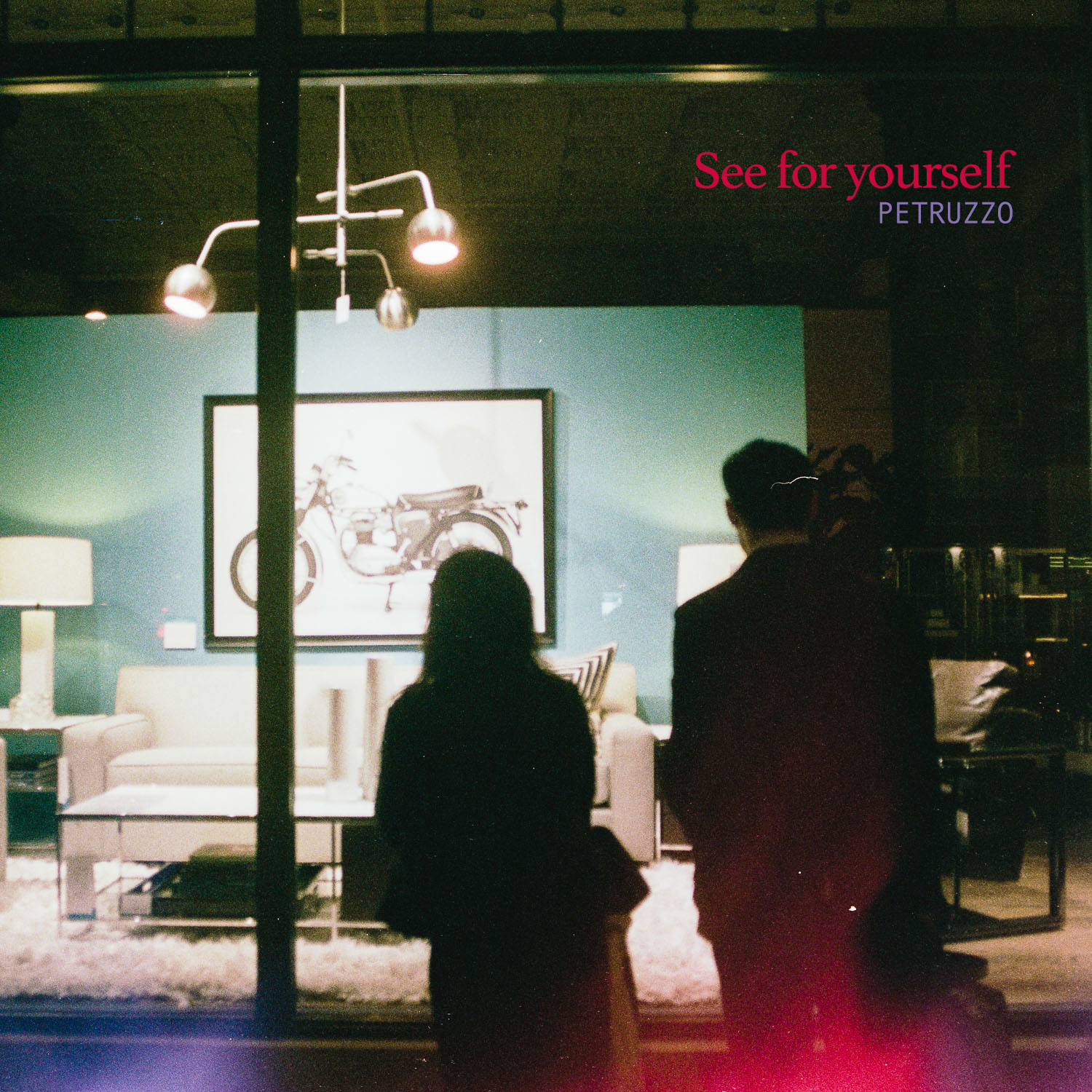
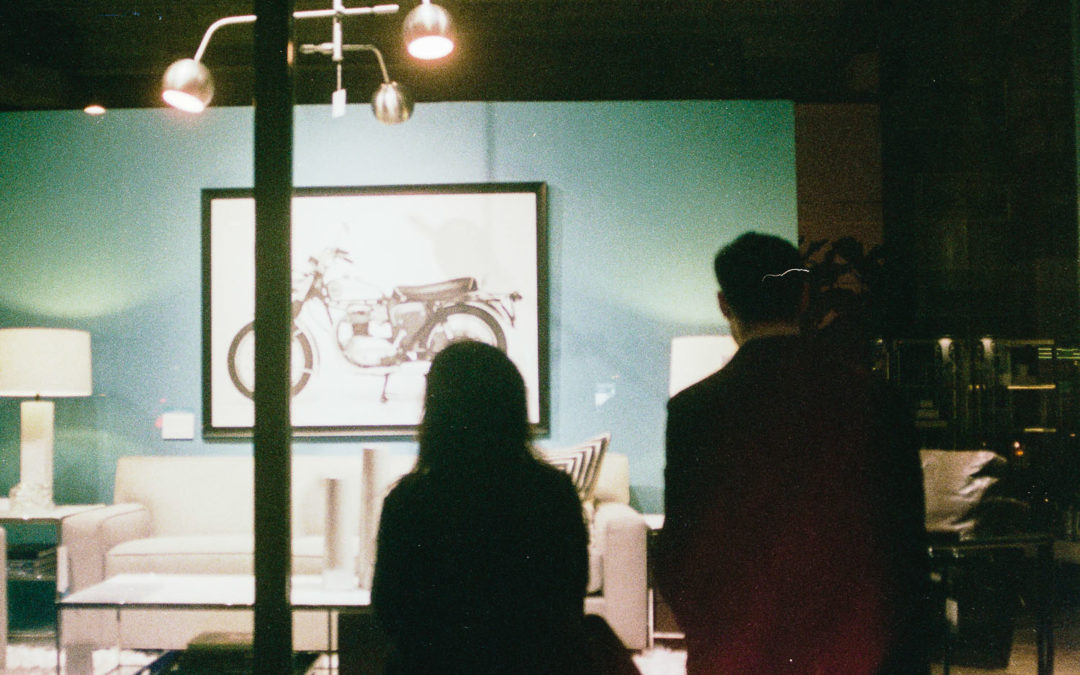
These last few months, my projects have seemed to become this nebulous blob. One day I’m out shooting a roll of film for something I think’ll be done sometime next year. The next day I’m setting up lights and cameras for some interview style videos. Then I’m puking up some stuff into Ableton Live, before chopping up some footage from a recent livestream.
All of this has become a lot less codified than it was when I began working on ‘monthly projects’ back in 2015. These days, I’m entertaining longer, harder fought visions. Since I’ve become quite good at finishing what I start, It has become less important to me to work on a strict timetable. These days, it’s more about putting my mind to it, in some measure, daily. And, to a (only slightly) lesser extent, it’s become about creating things with more intentional meaning, or purpose; whether personal or otherwise.
So, what I am sharing today for my July installation, is a song I wrote before I first began my monthly project endeavor. This was literally the first, quasi-coherent piece I wrote and recorded, and the one that made me think perhaps I could pull this off once a month for a whole year. I never published the song. I quickly started going in a different direction and I no longer liked the arrangement or the vocals or the lyrics, so I scrapped it. Ironically, the track that replaced it has since become my least favorite; the one that makes me cringe a little. And I have warmed on this one considerably. I started dusting this track off back in July, and I worked on it more or less daily until a couple weeks ago when it was all but finished.
The fact of the matter is, this track is kind of weird, but it’s reflective of where my head was at the time. My state of mind was decidedly more melancholy, and I think I was listening to a lot of Silver Mt. Zion. I know that a lot of the original choices I had made were made for a reason, and I suspect that what I didn’t like about it at the time was that it was a little too weird, and I didn’t have enough of a self-image to know whether I could say, “yeah, this is me, too”.
“Yeah, this is me, too”. I think about this sometimes. I think of being an artist as fairly solitary state of being. Not that artists are always in solitude, but rather that their ideas and their creation must necessarily happen in their own solitude. I can’t, or at least don’t want to create, on your ideas. I want my ideas and my expressions to spring from my feelings, and my experiences. Yet, unless one practices literal solitude for long periods of time, it’s hard not to view yourself through the theoretical lenses of those around you.
Am I the kind of person that would write this song? Am I the kind of person who would paint a picture of that, or take a picture in this way? How can questions like that not be a kind of contaminant in the work an artist creates?
So, in some respects, I chose to revisit and ultimately publish this track because it answers that question; or rather, I am now able to answer that question. Yes, this is indeed also me. In fact, the things I create are all me. Although nothing I create defines me, everything I create reflects me. At least in some way. And that’s what this particular work is about:
Self-acceptance. I am who I am. I make what I make. Maybe tomorrow I’ll make something different. And, when I do, that will be me too.
In my polishing of this track for release, I left the original vocal recordings from 2014 in place, though I rather painstakingly pieced them together to avoid the most egregious vocal failures. The very obvious ones that were left, were left on purpose. Though the instrumentation is mostly unchanged, it got almost a total effects overhaul and I sunk everything much further into the reverb than I was originally comfortable with.
Check out the track. It’s available to download for free on SoundCloud, if you care to do that. If it matters to you at all, these lyrics—unlike many of the others that came after them—do, in fact, have a meaning, though it changes daily. So, maybe don’t get hung up on that.
I’ll be sharing about the second half of this project, a different song, from a different timeframe, sometime next week. Stay tuned, or don’t.
Drifting, Light Leaks, and Accidental Frames Through June
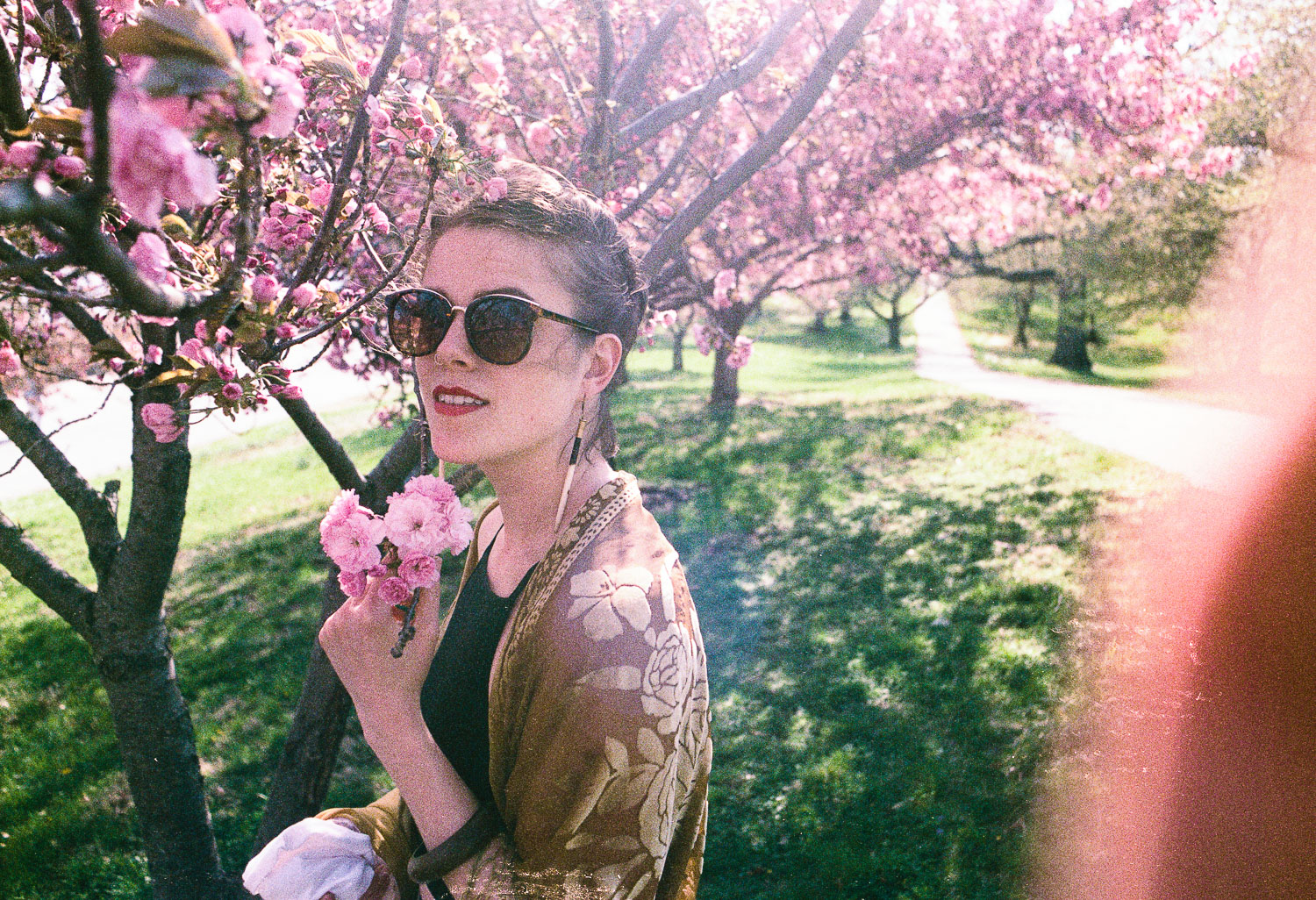
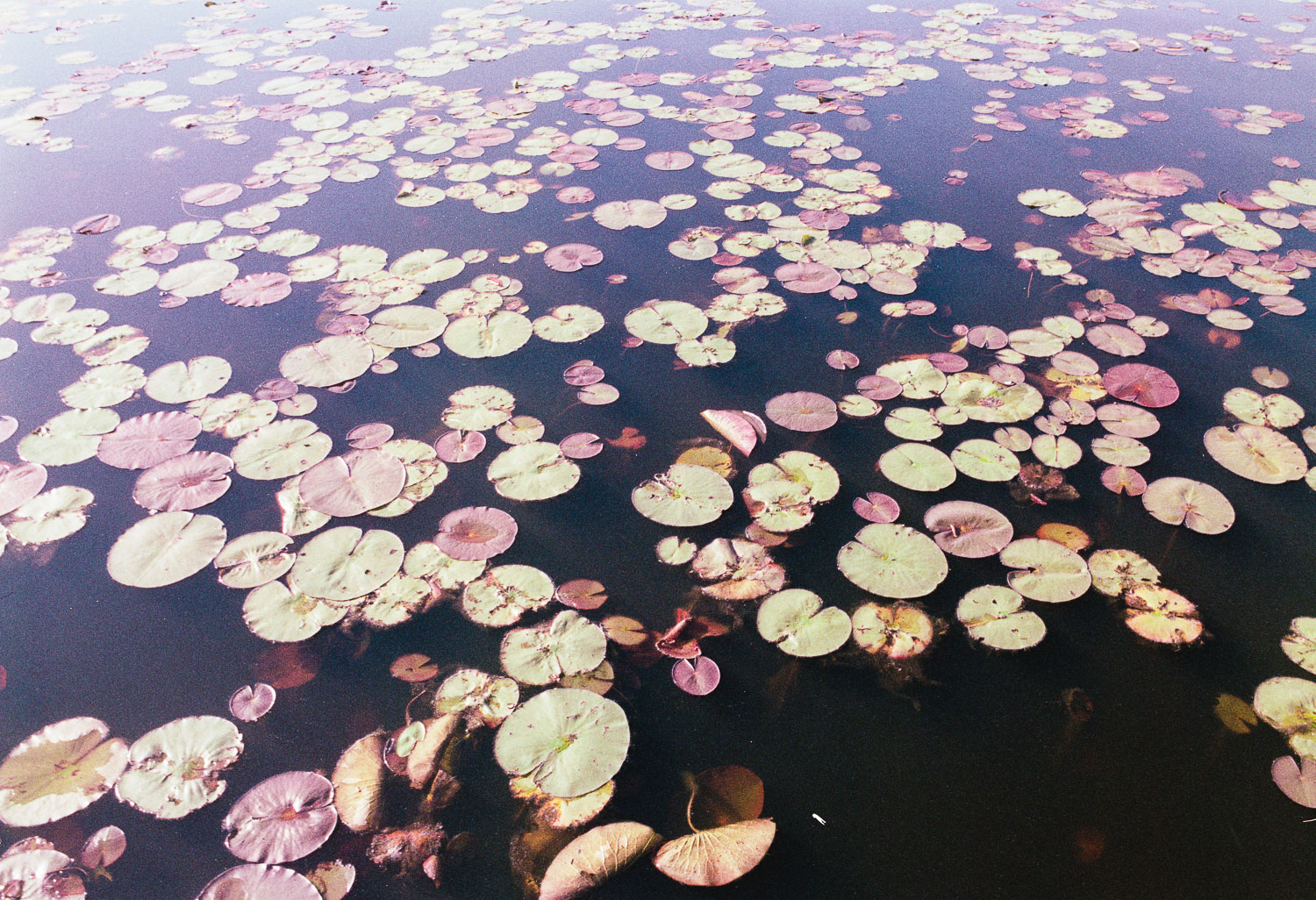
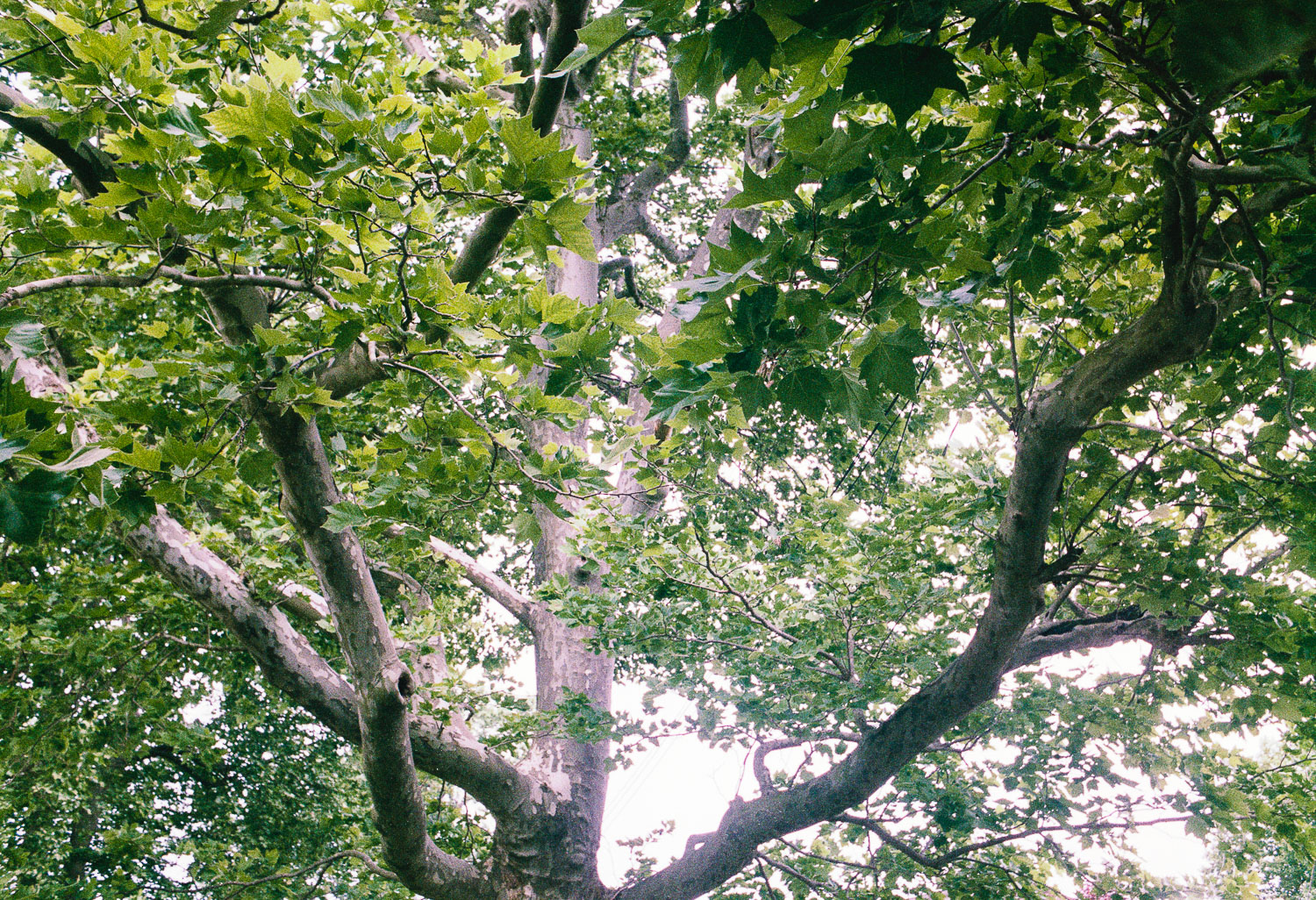
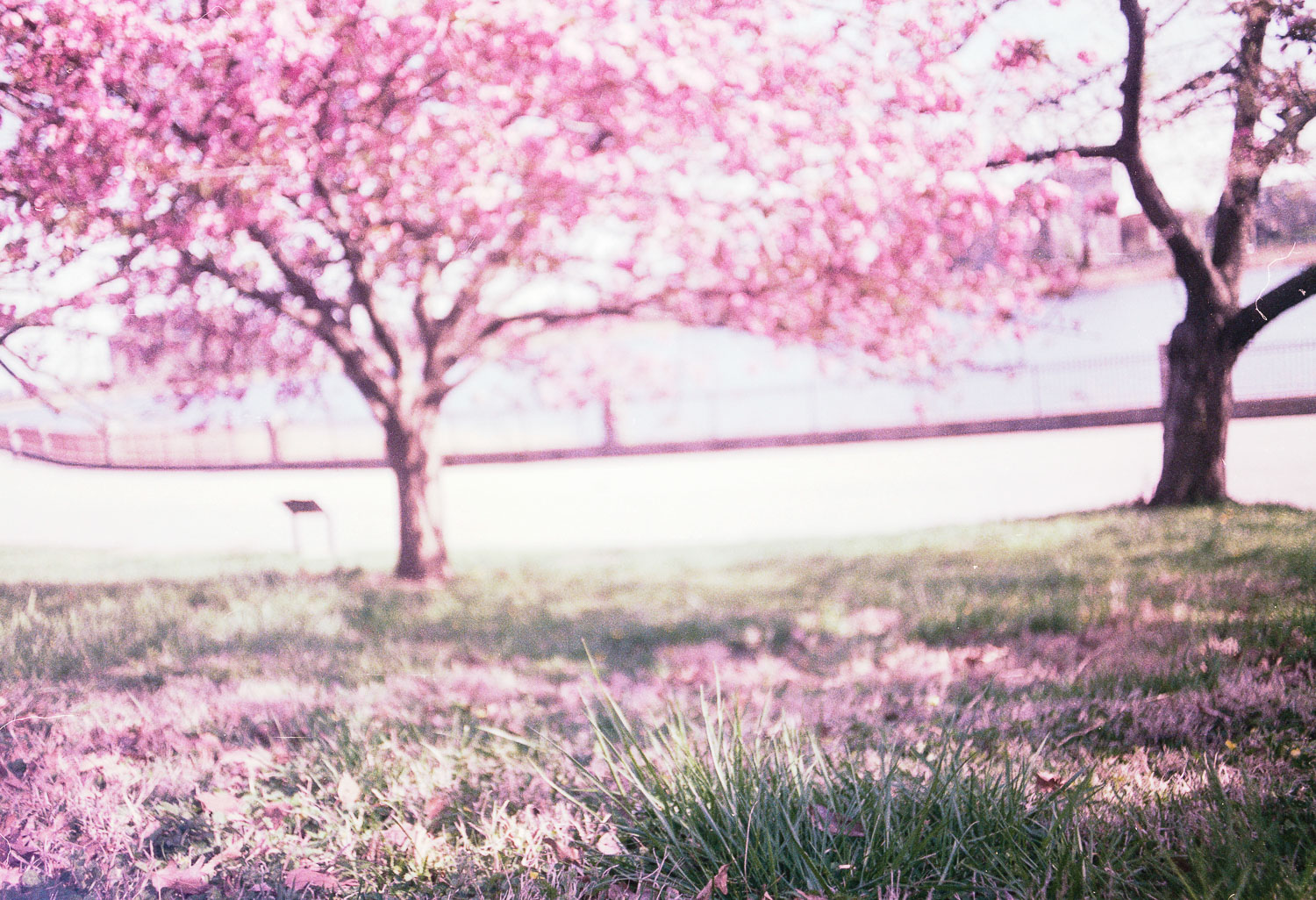
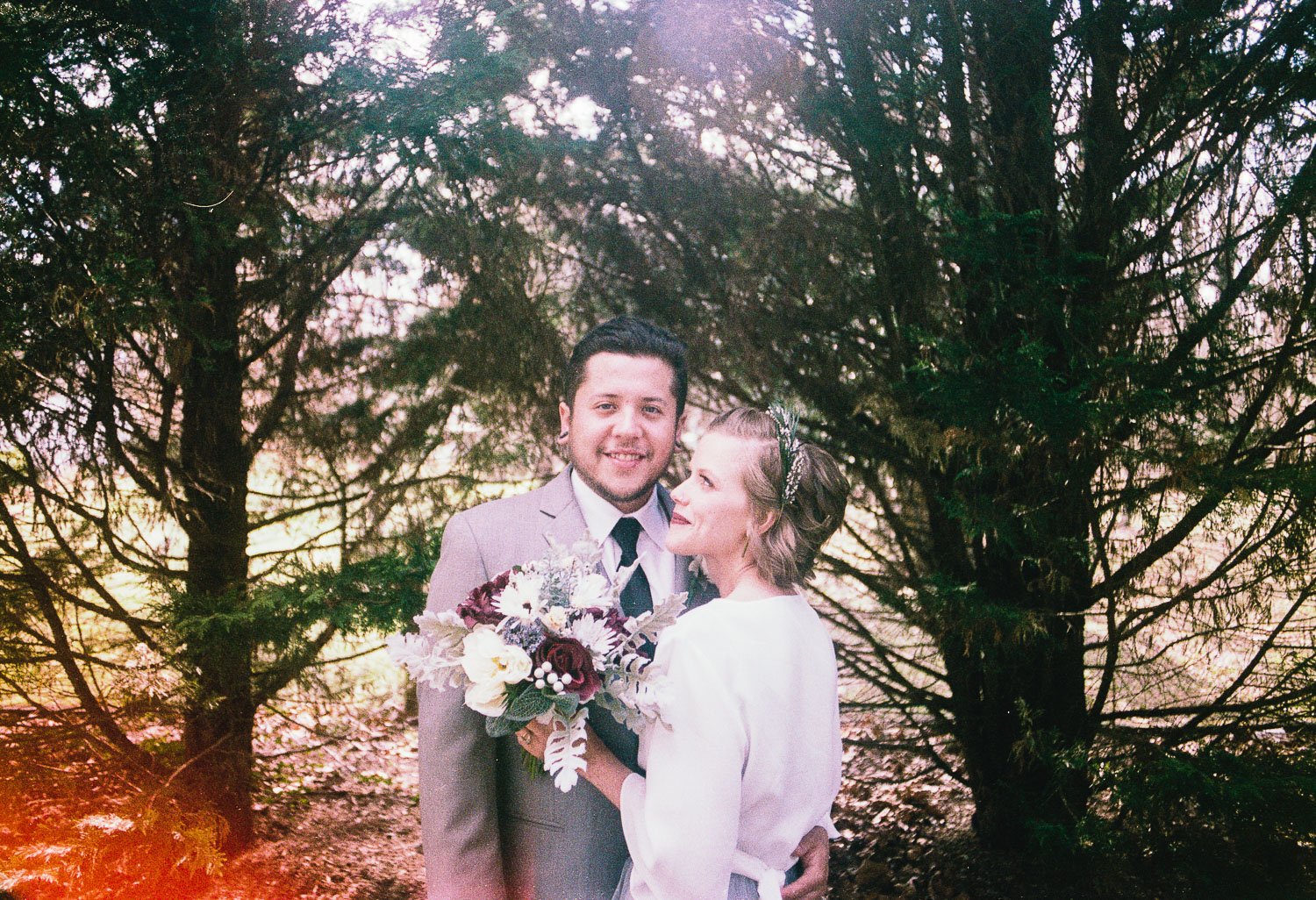
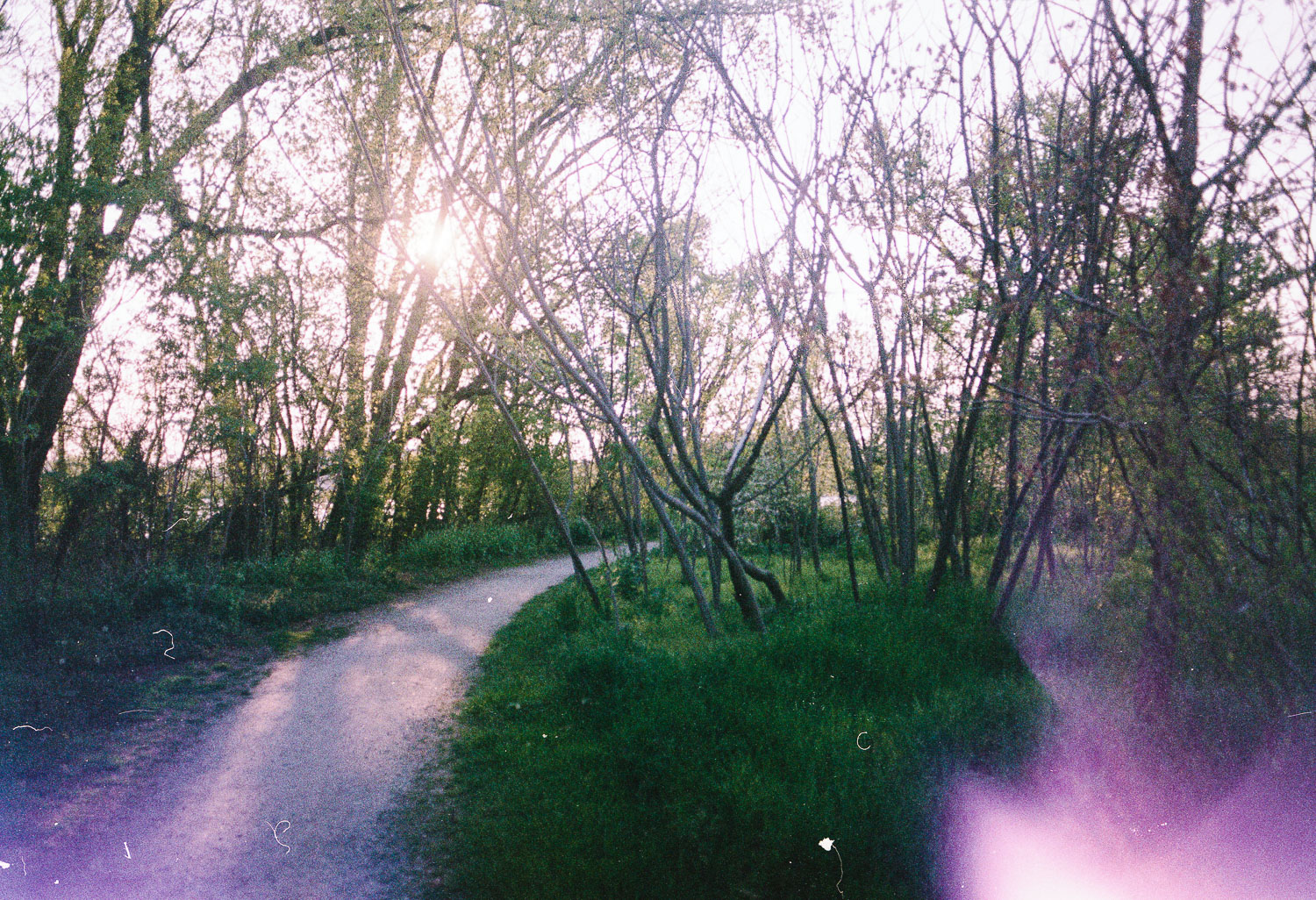
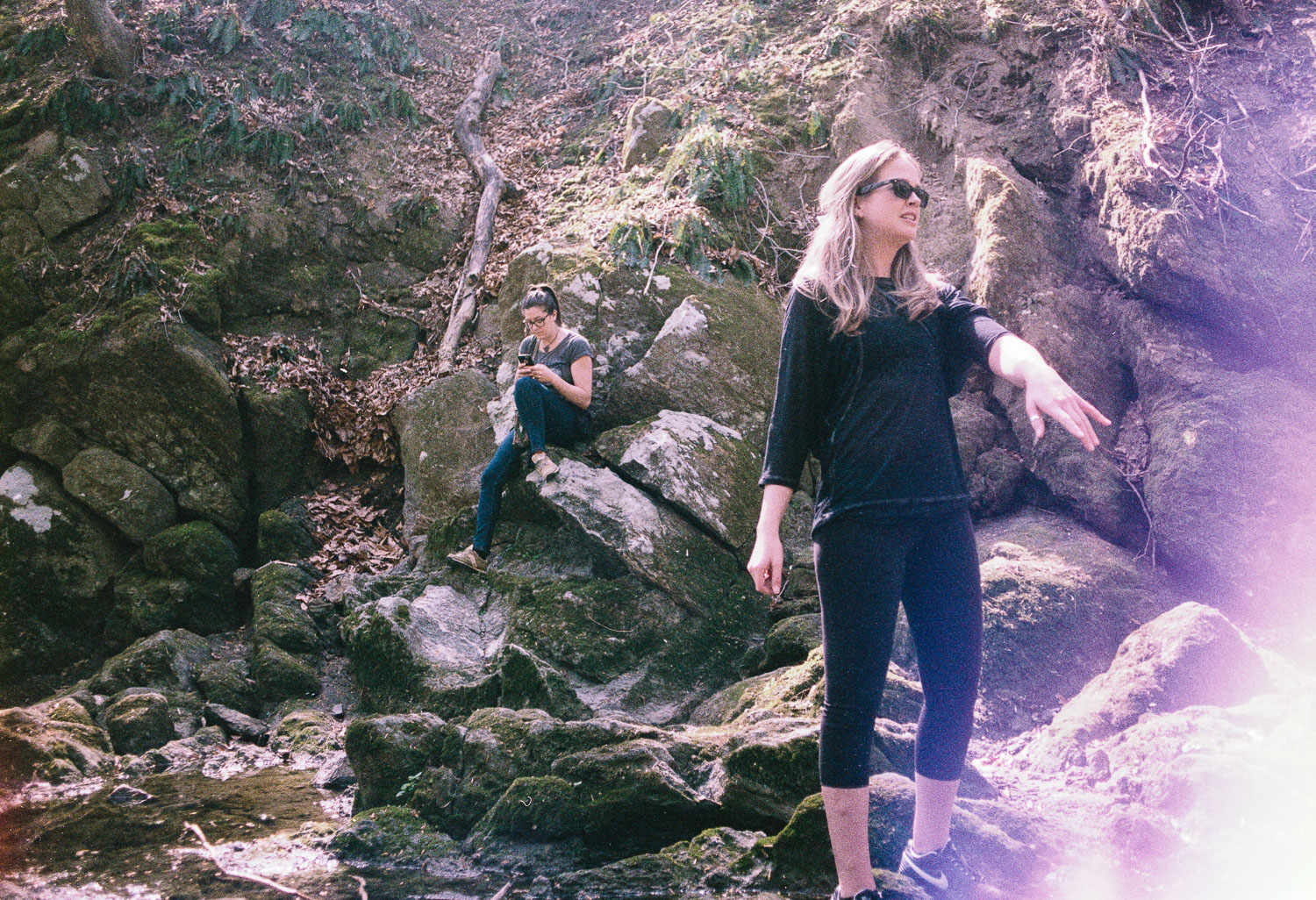
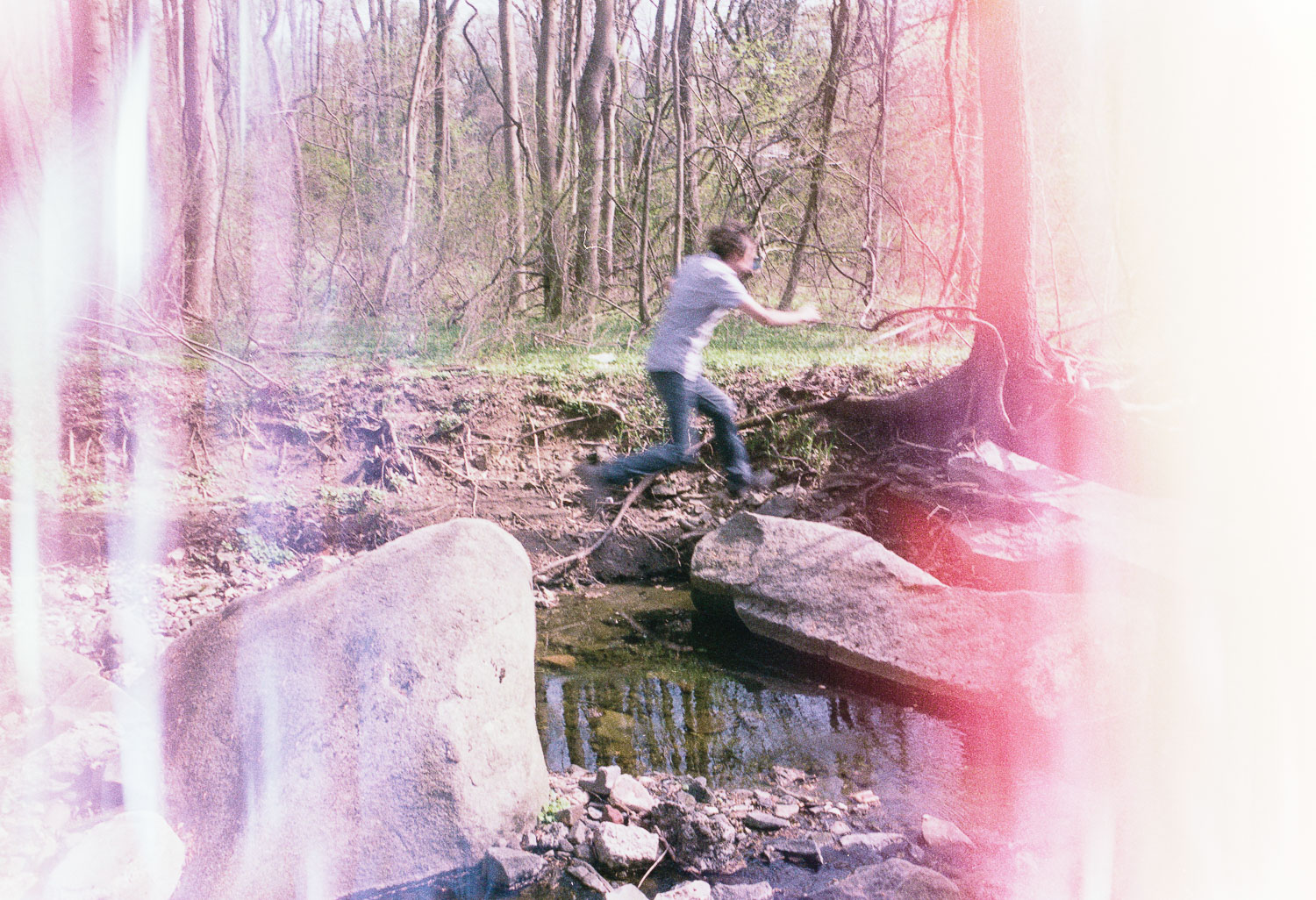
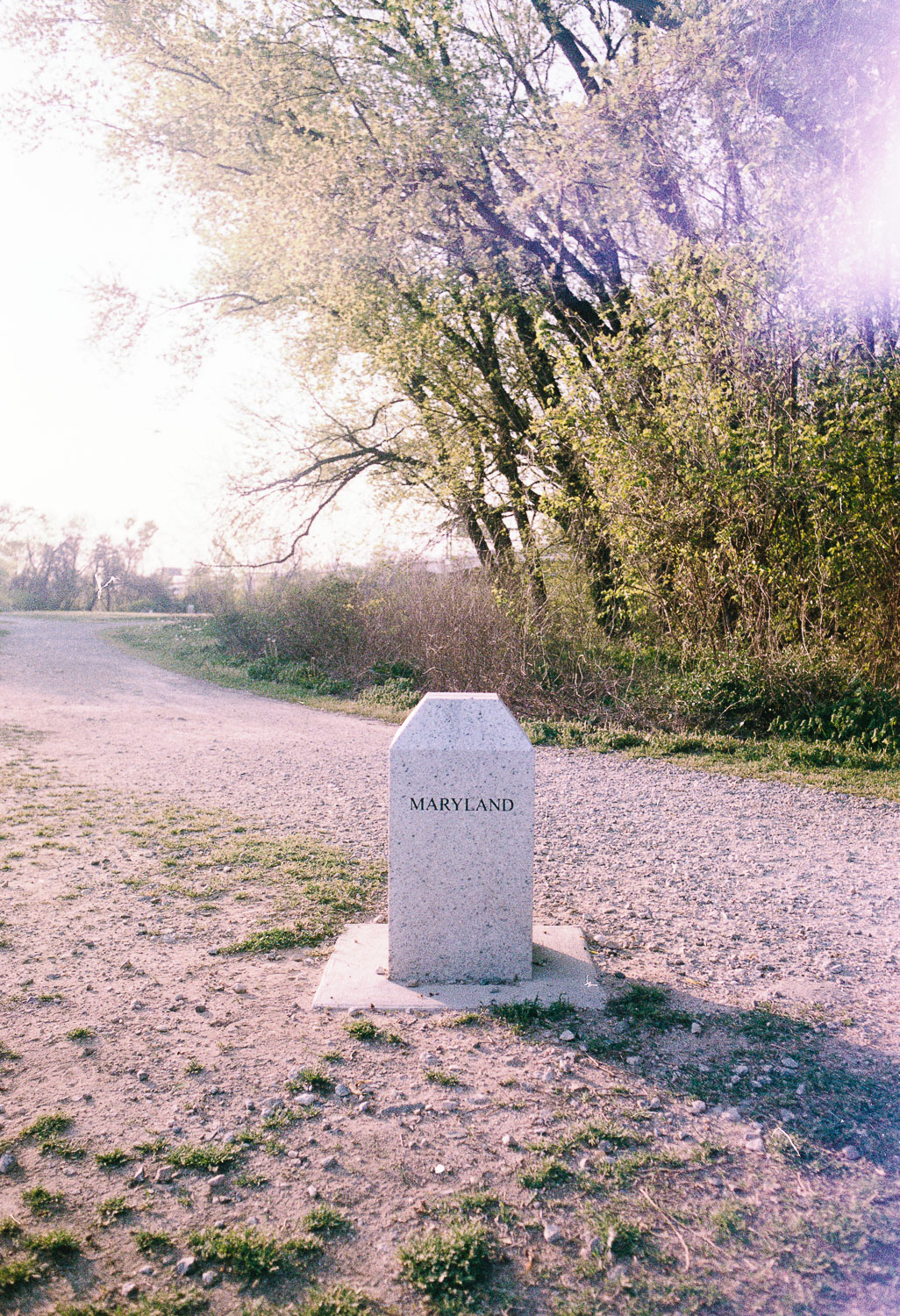
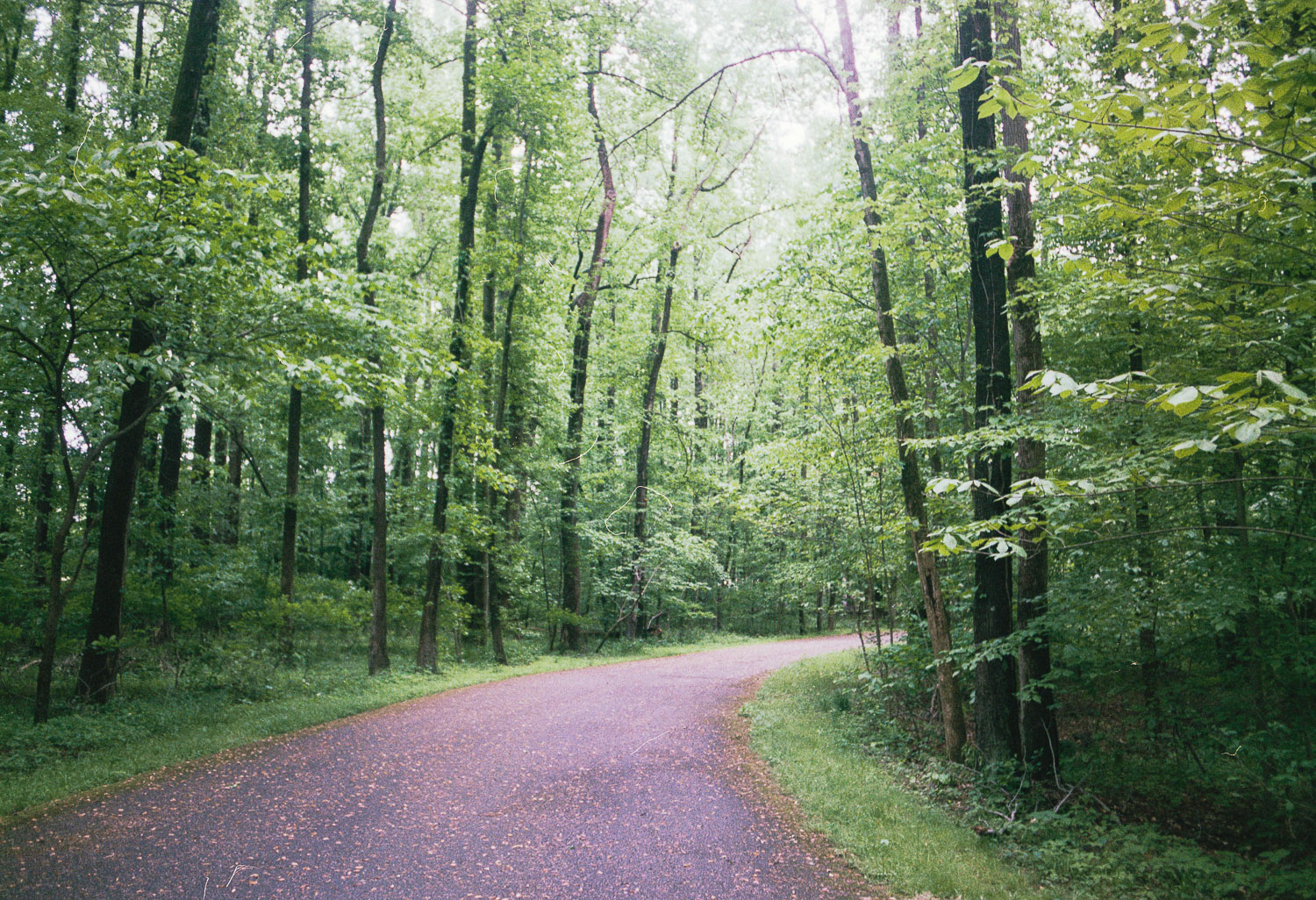
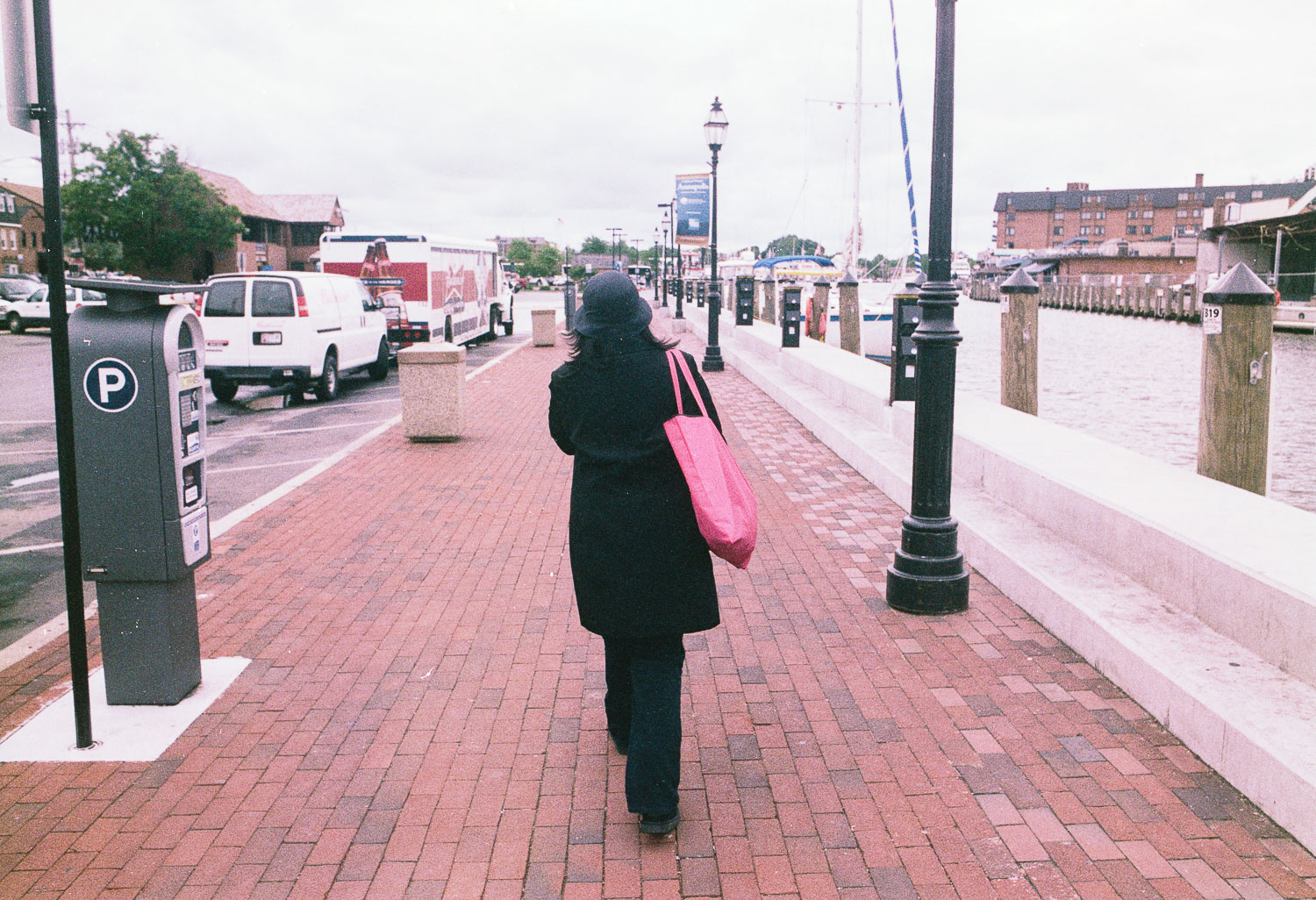
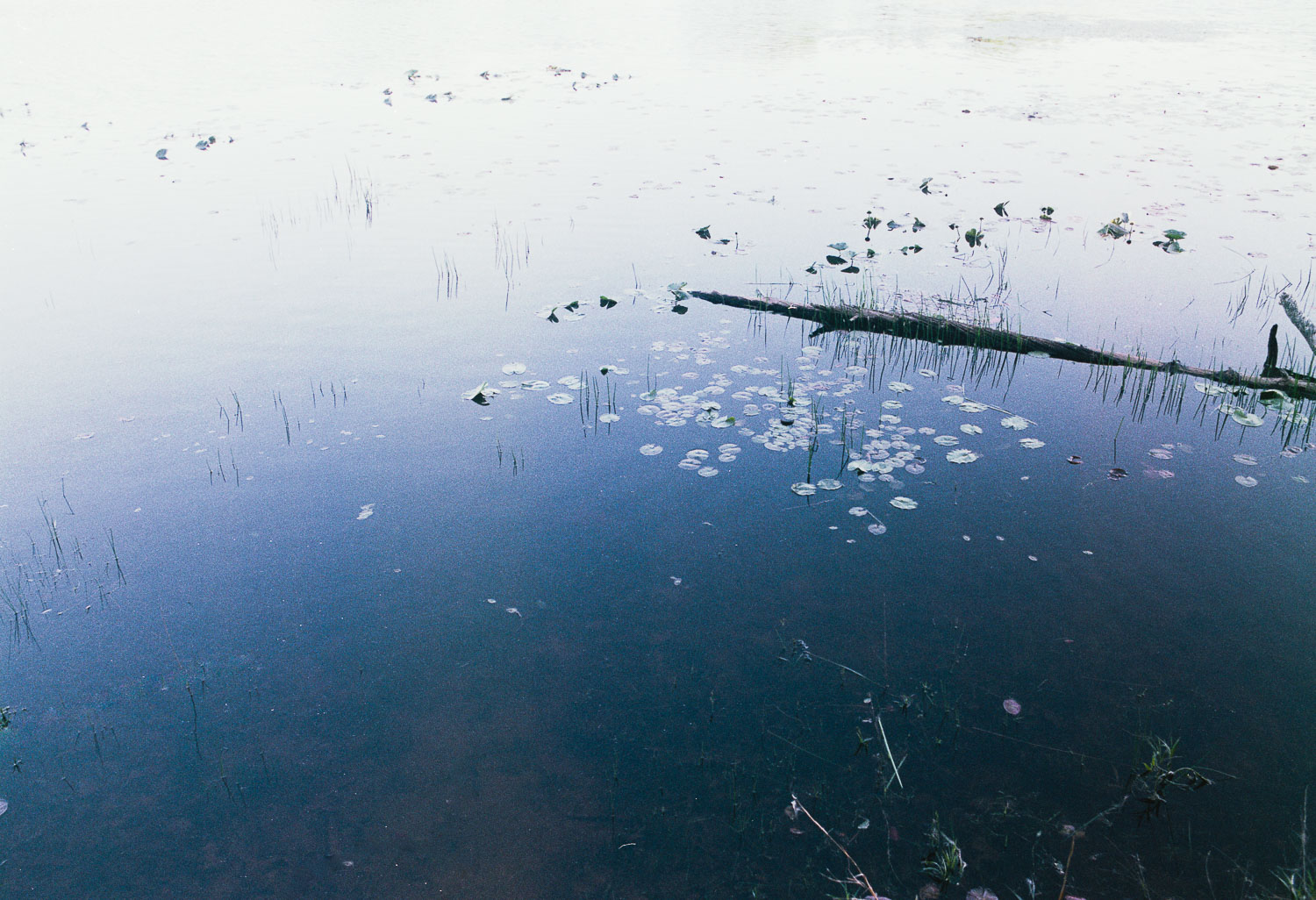
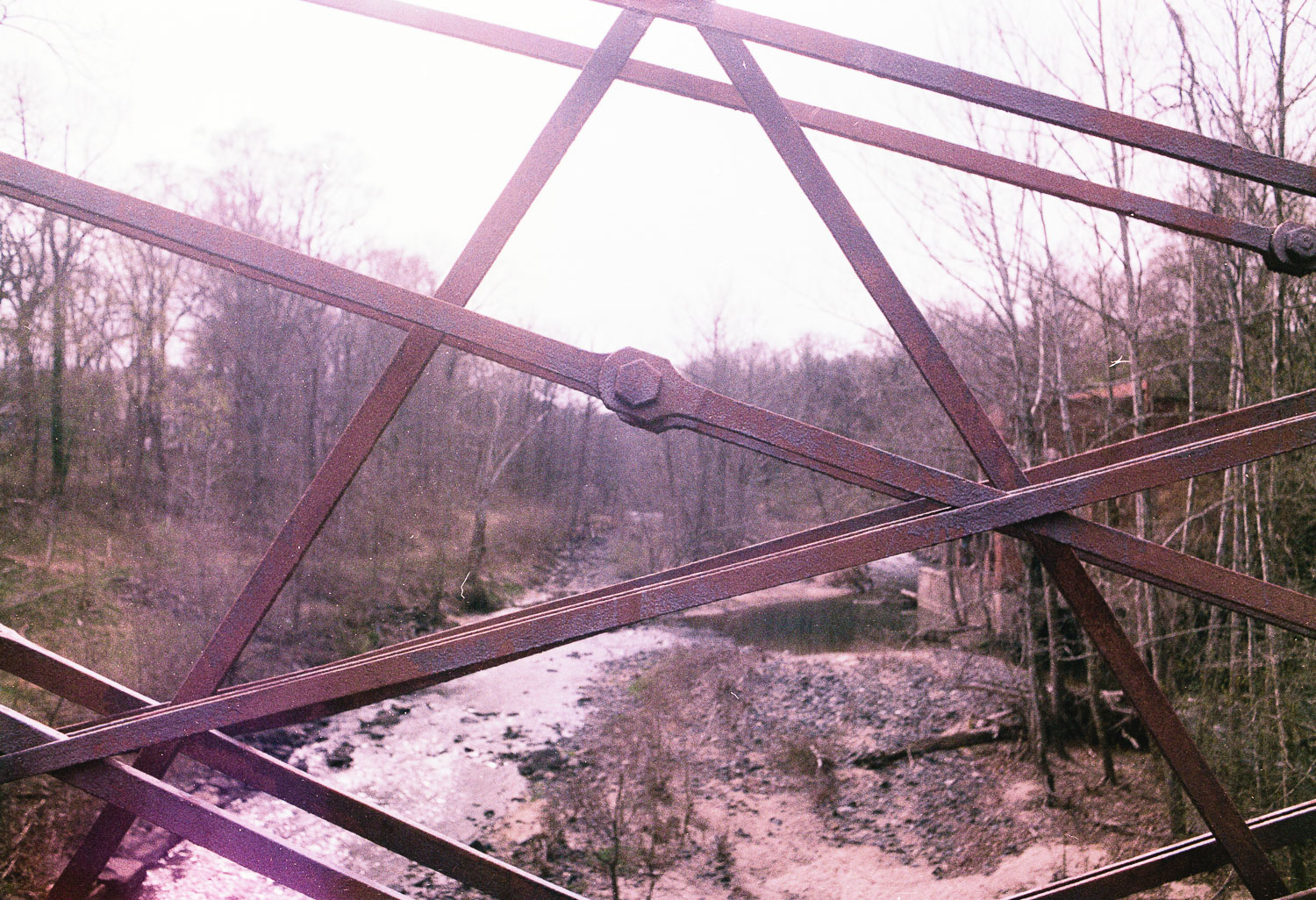
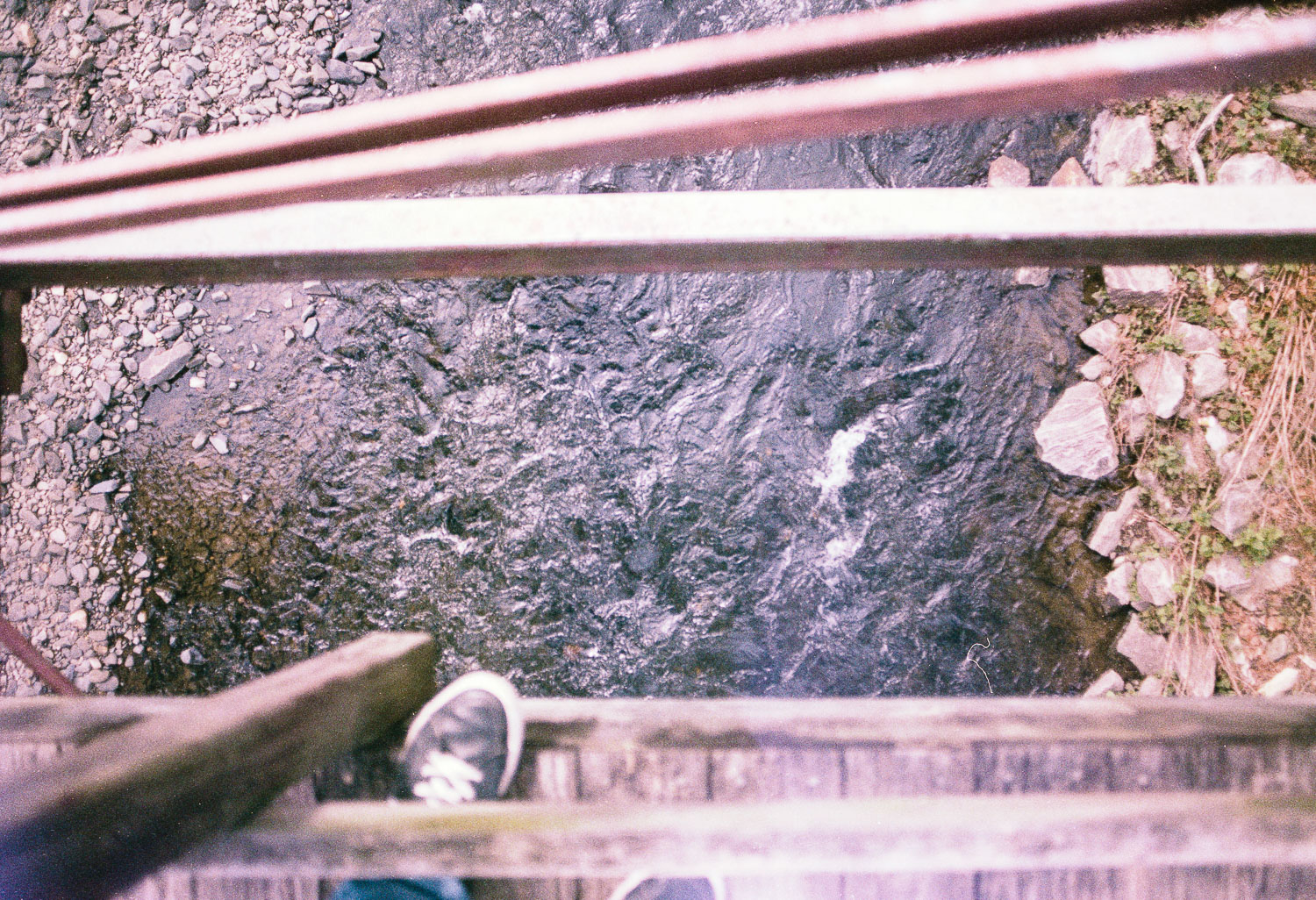
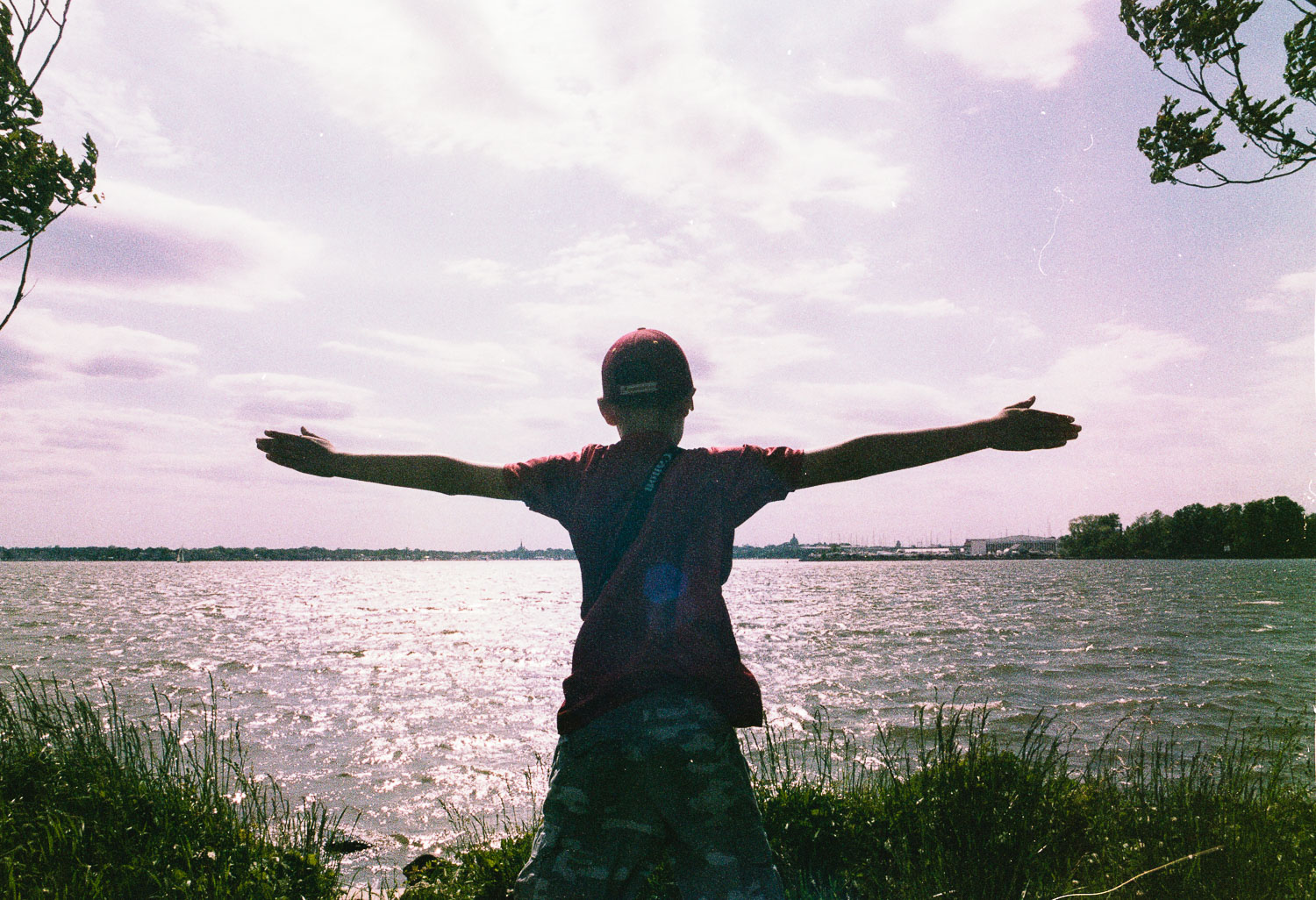
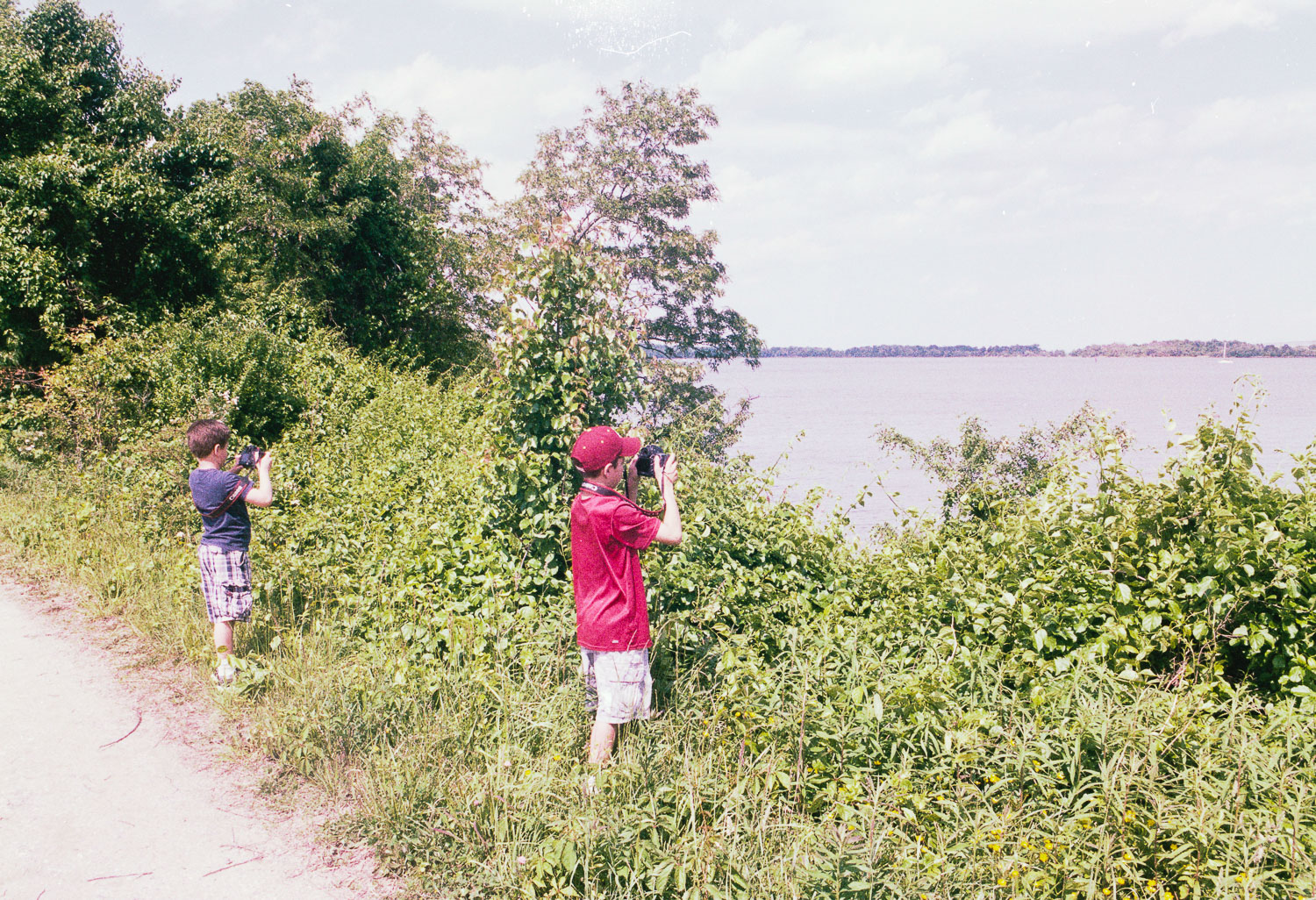
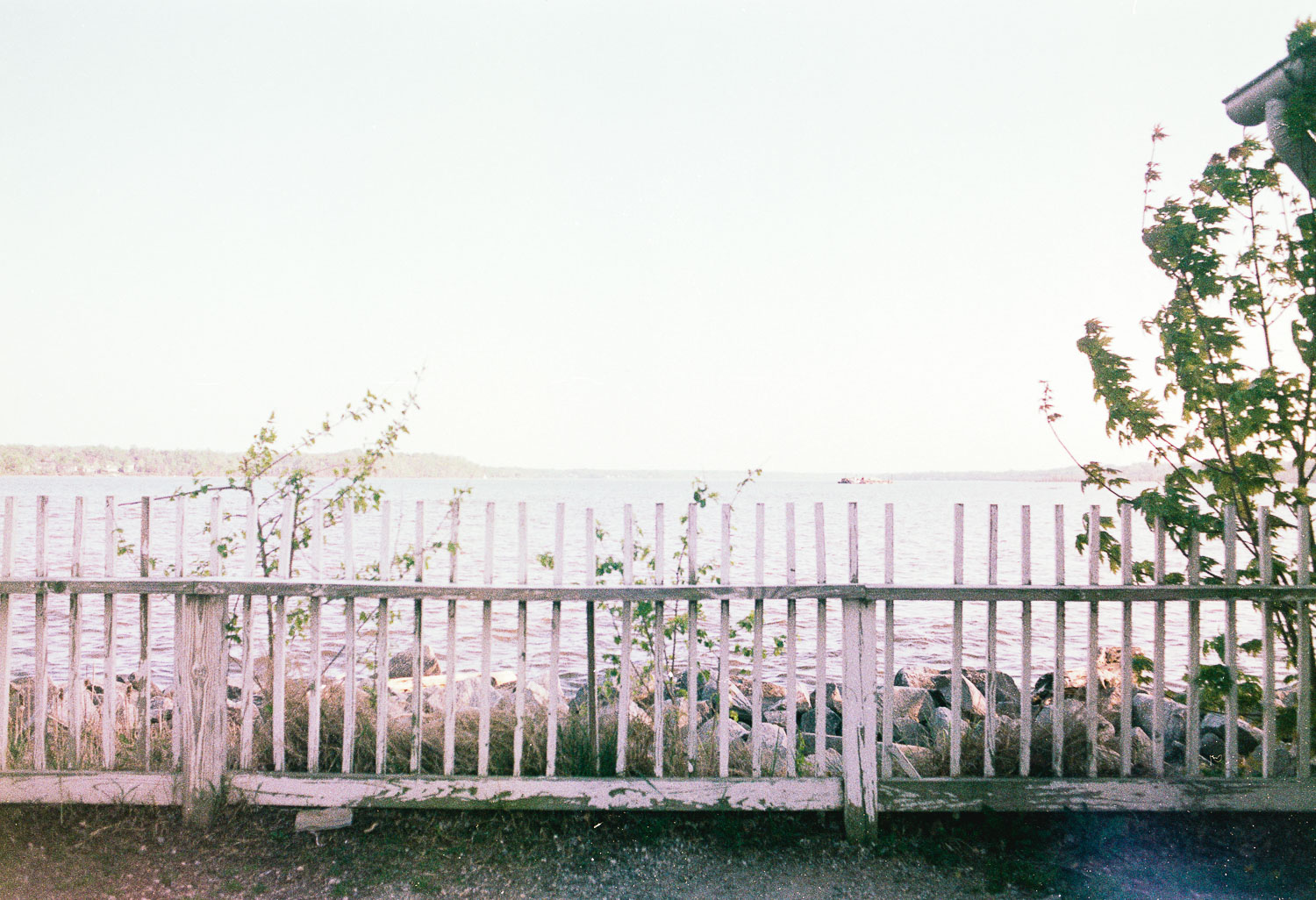
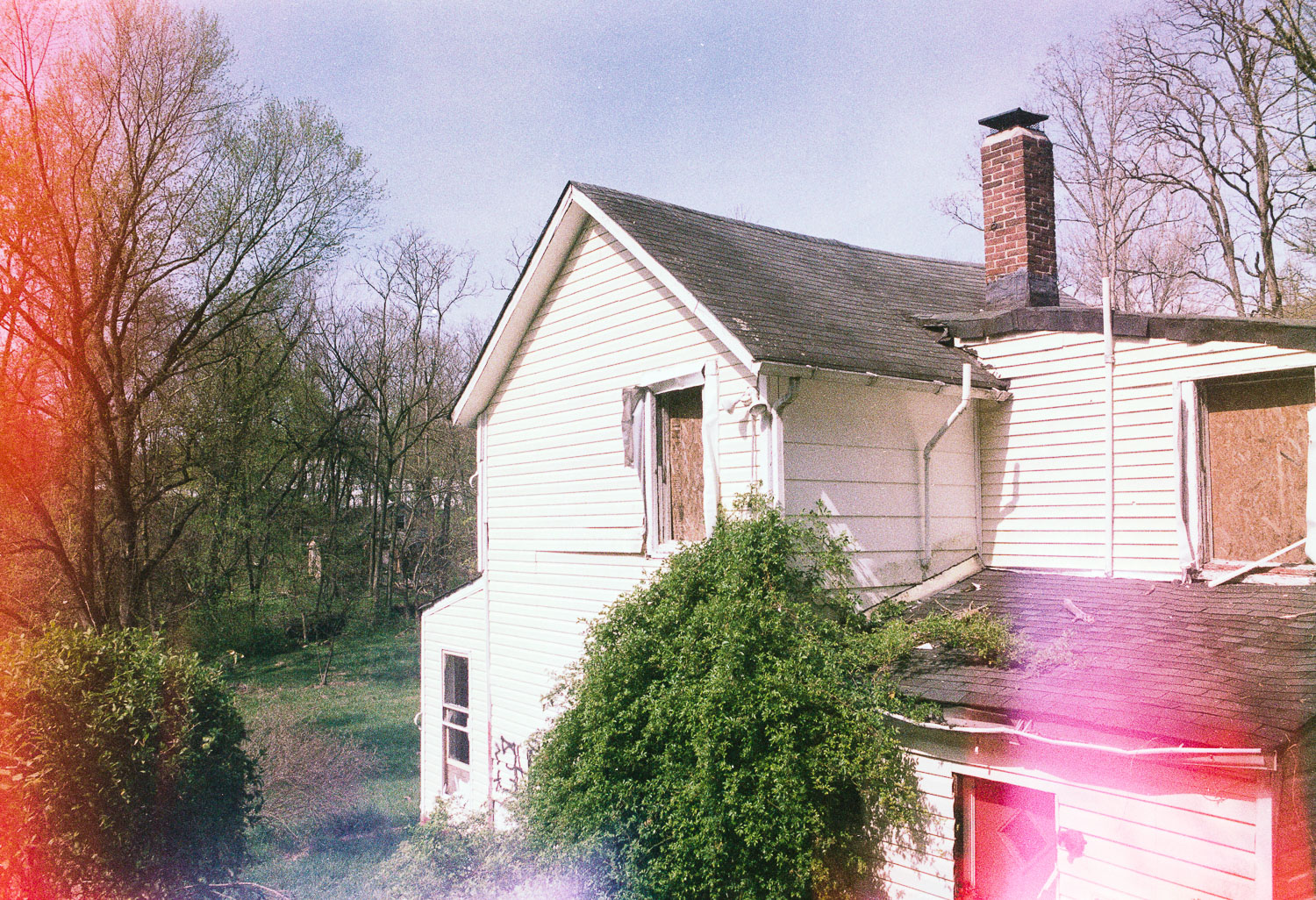
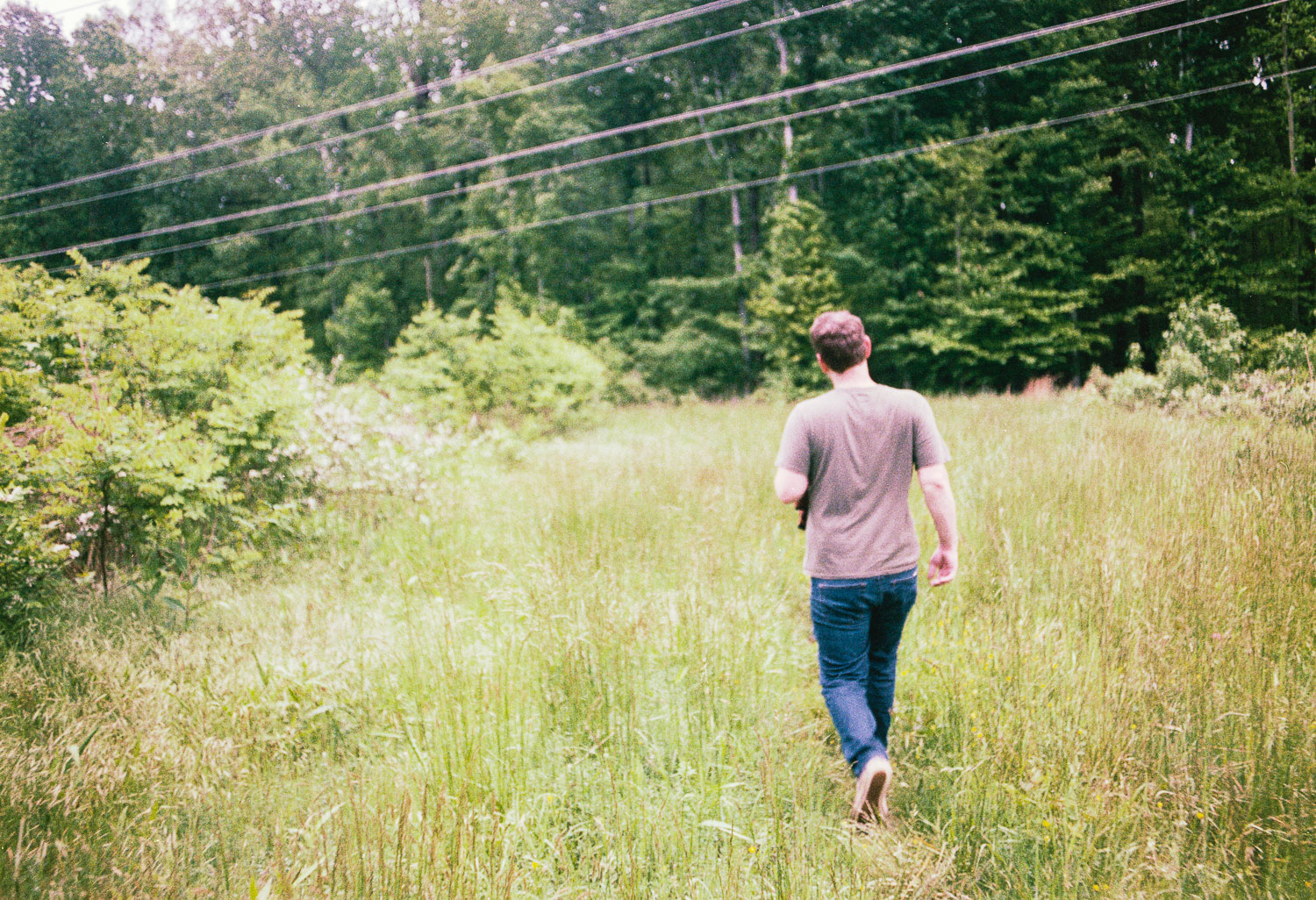
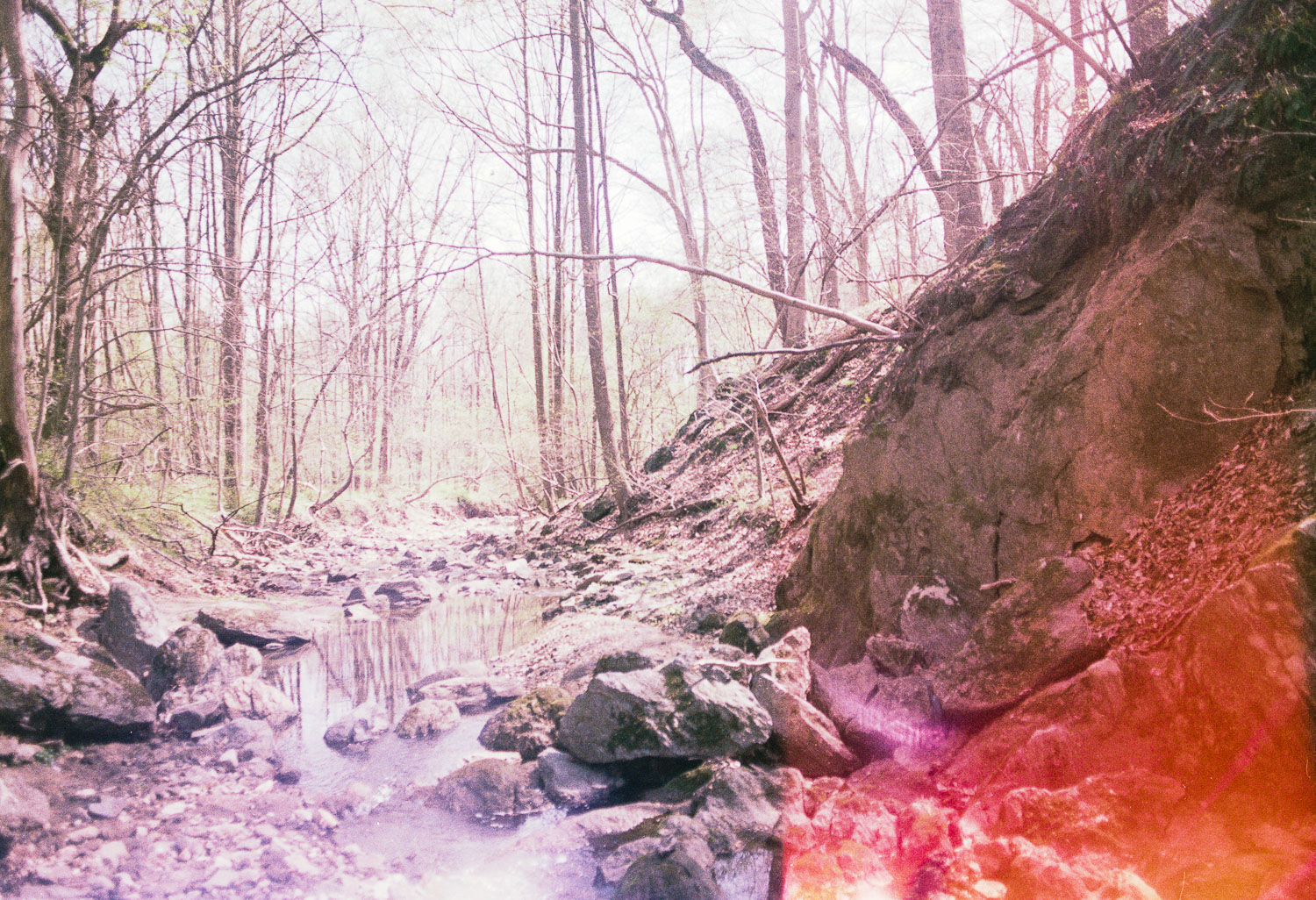
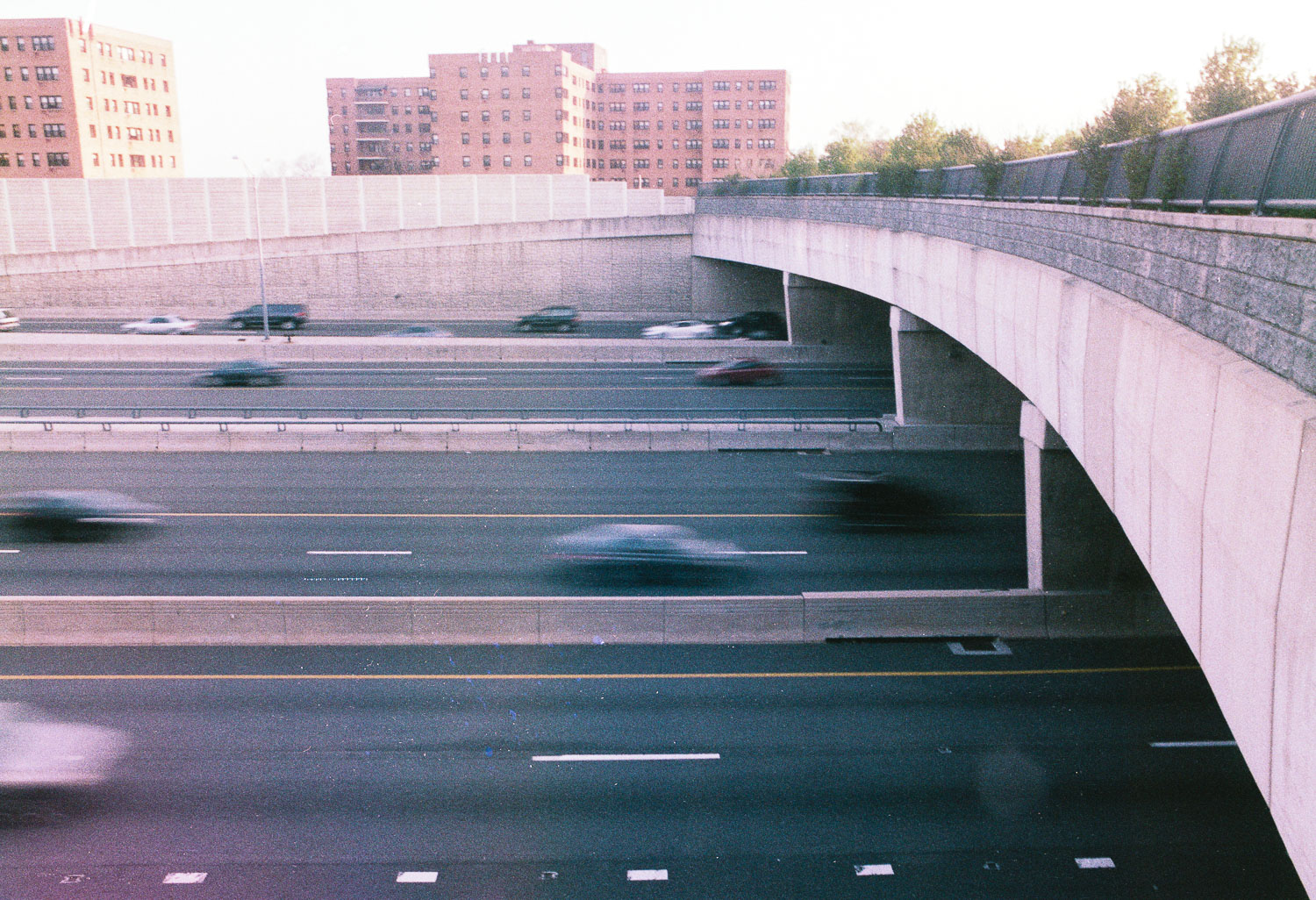
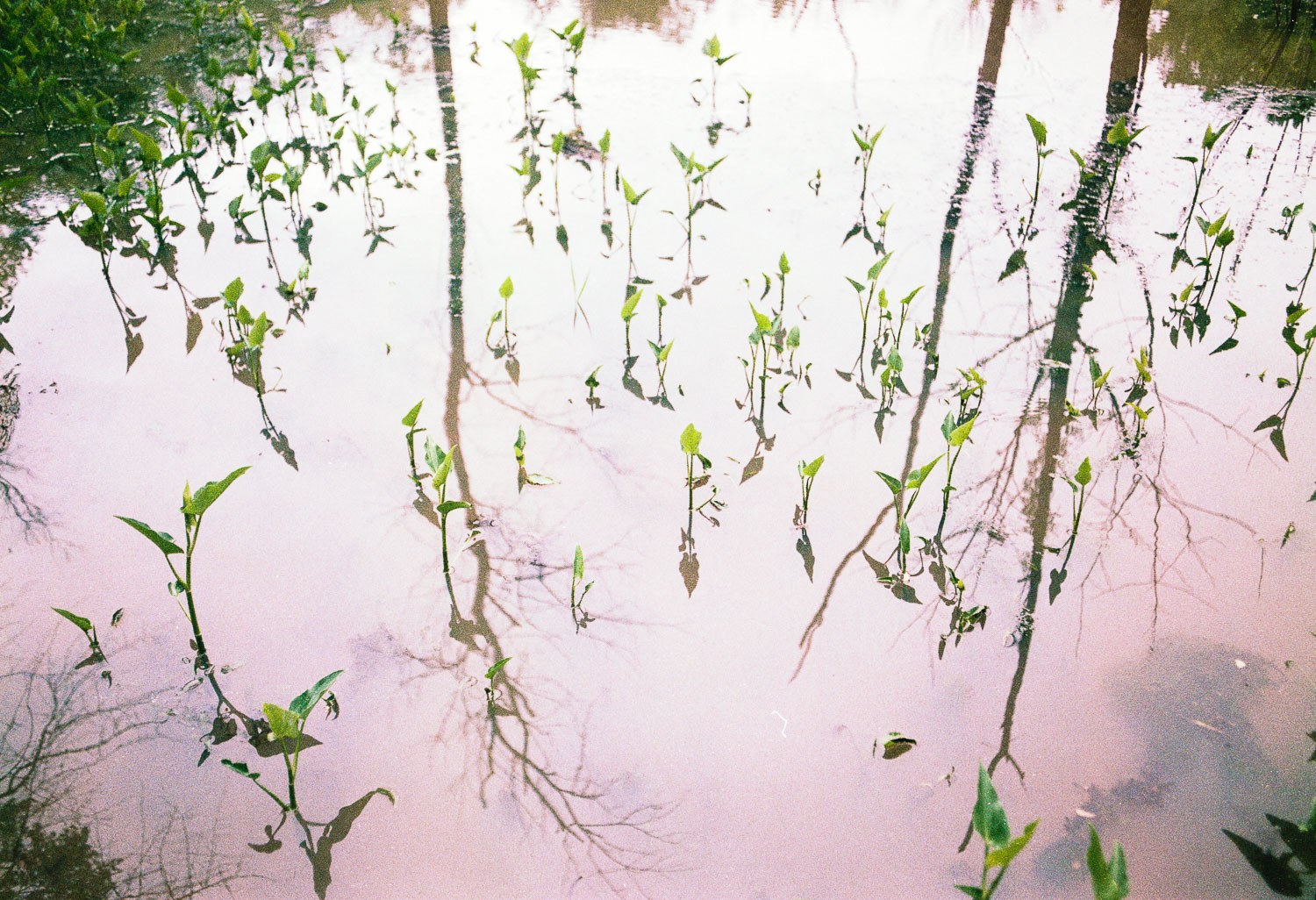
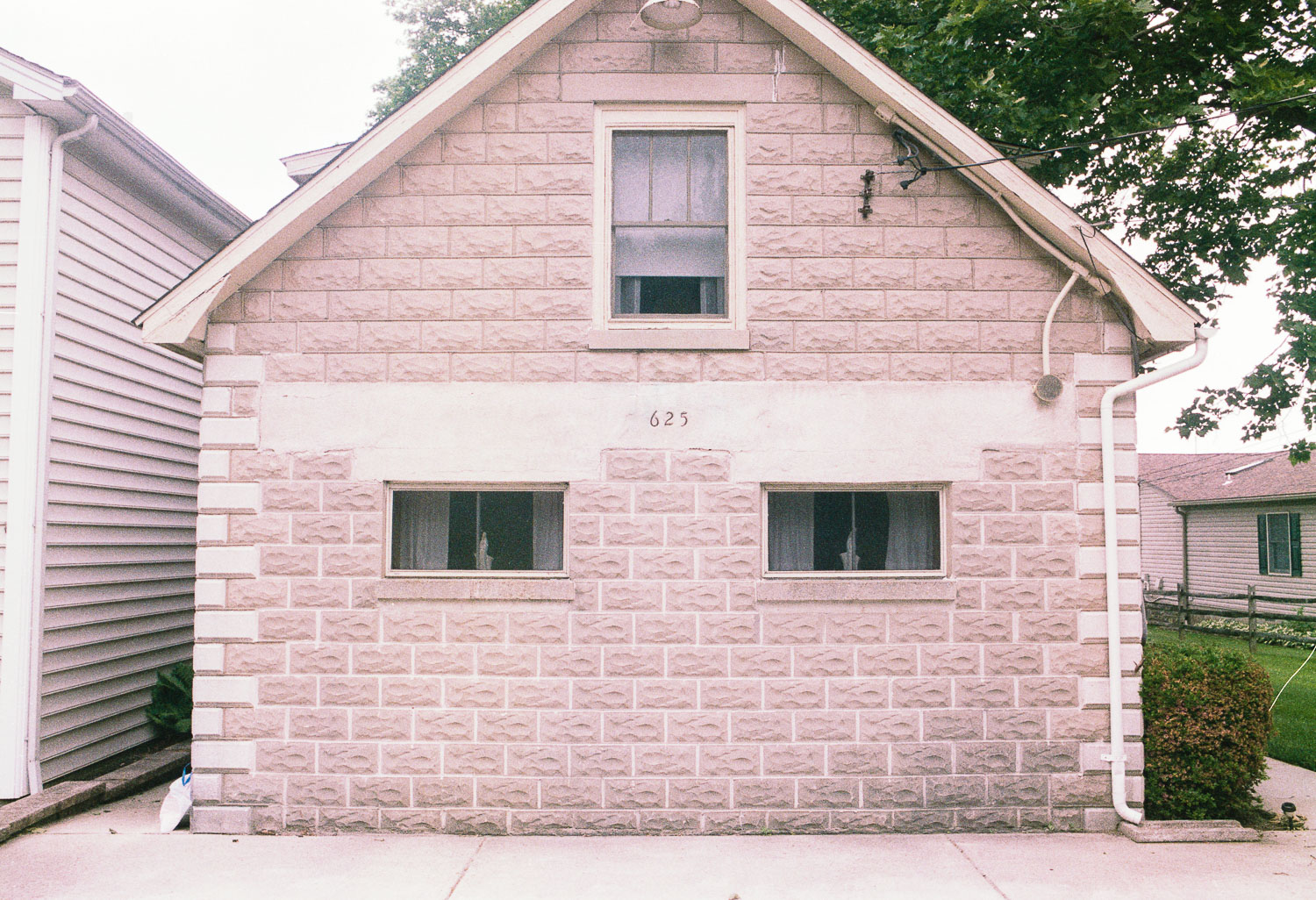
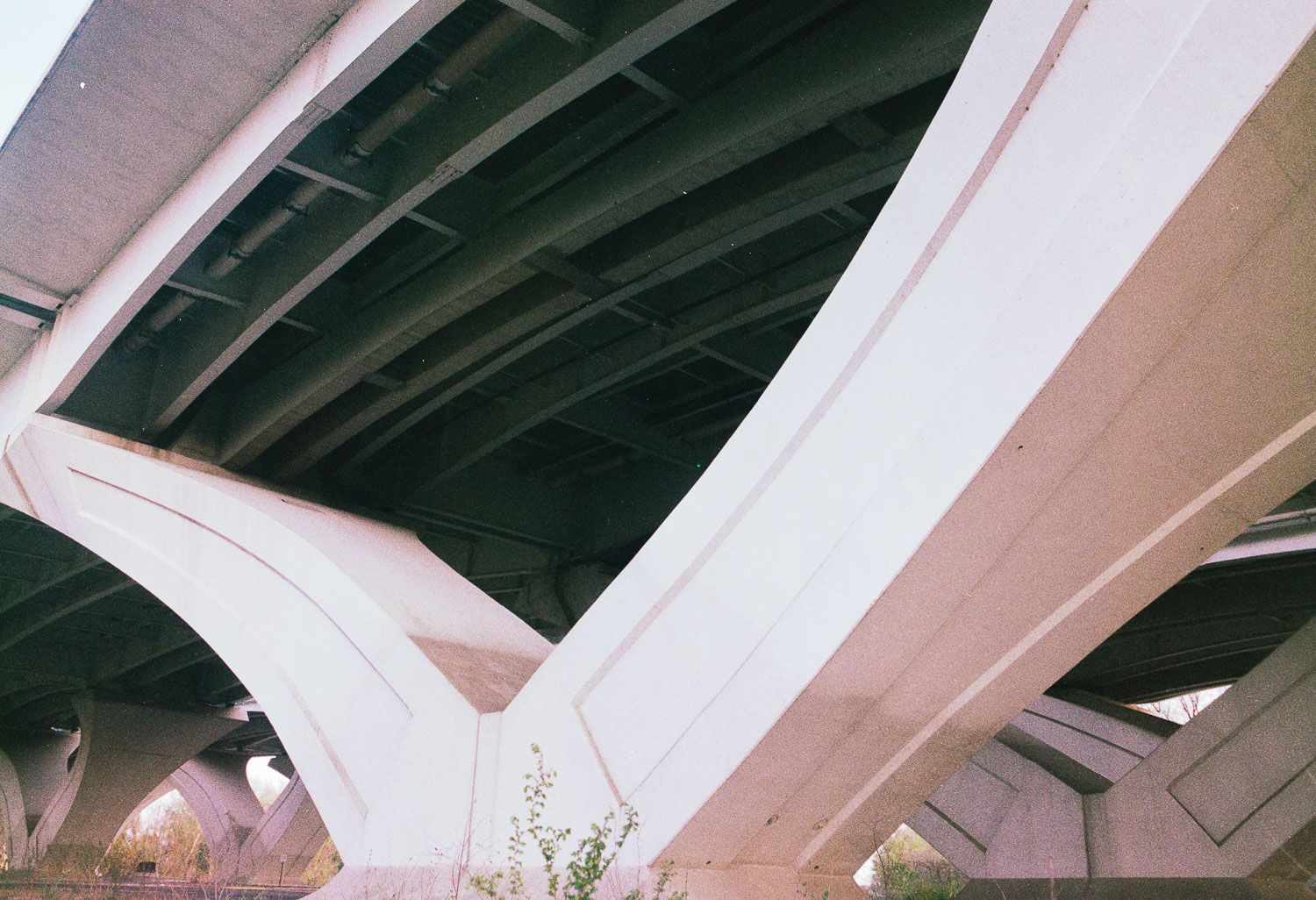
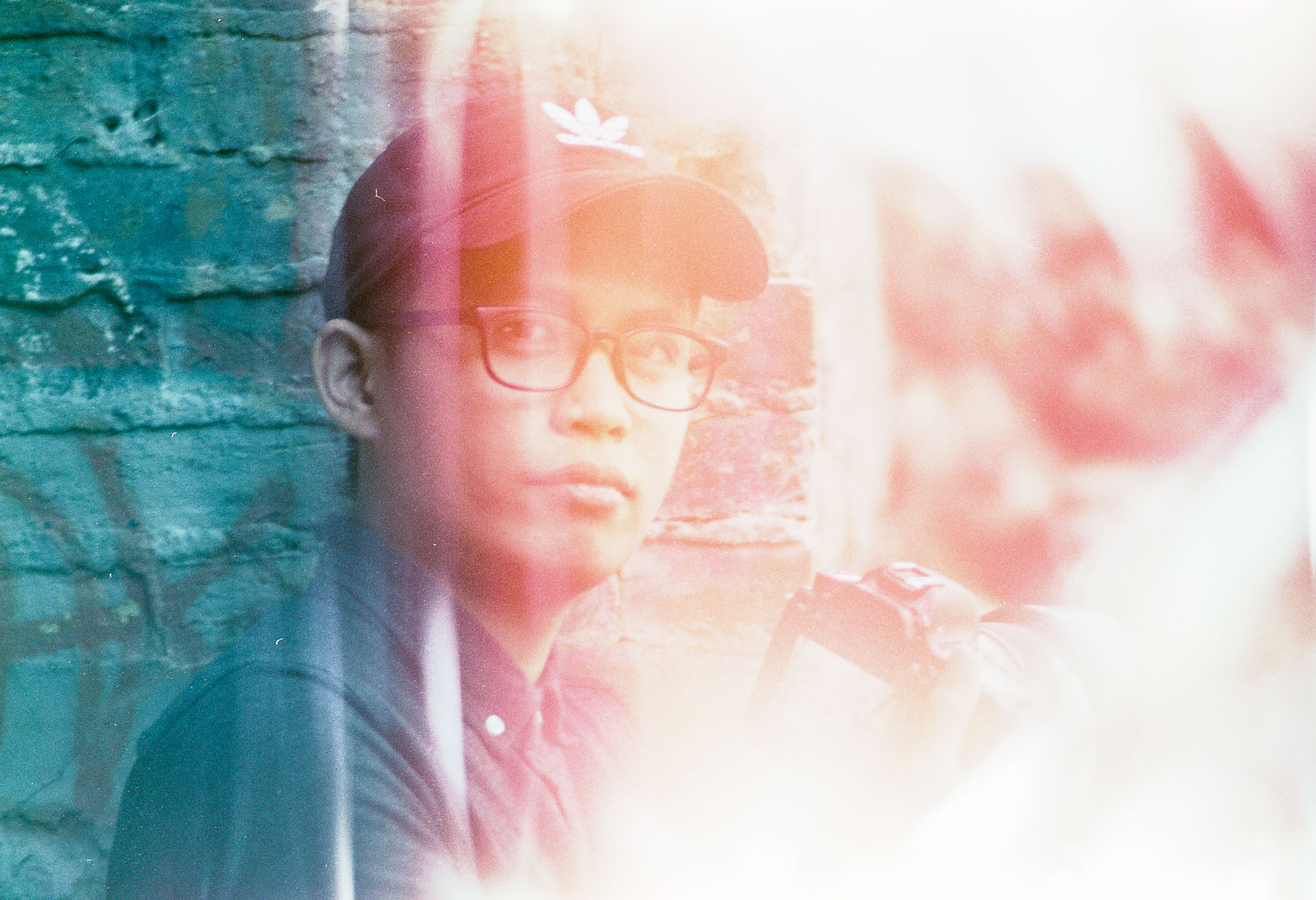
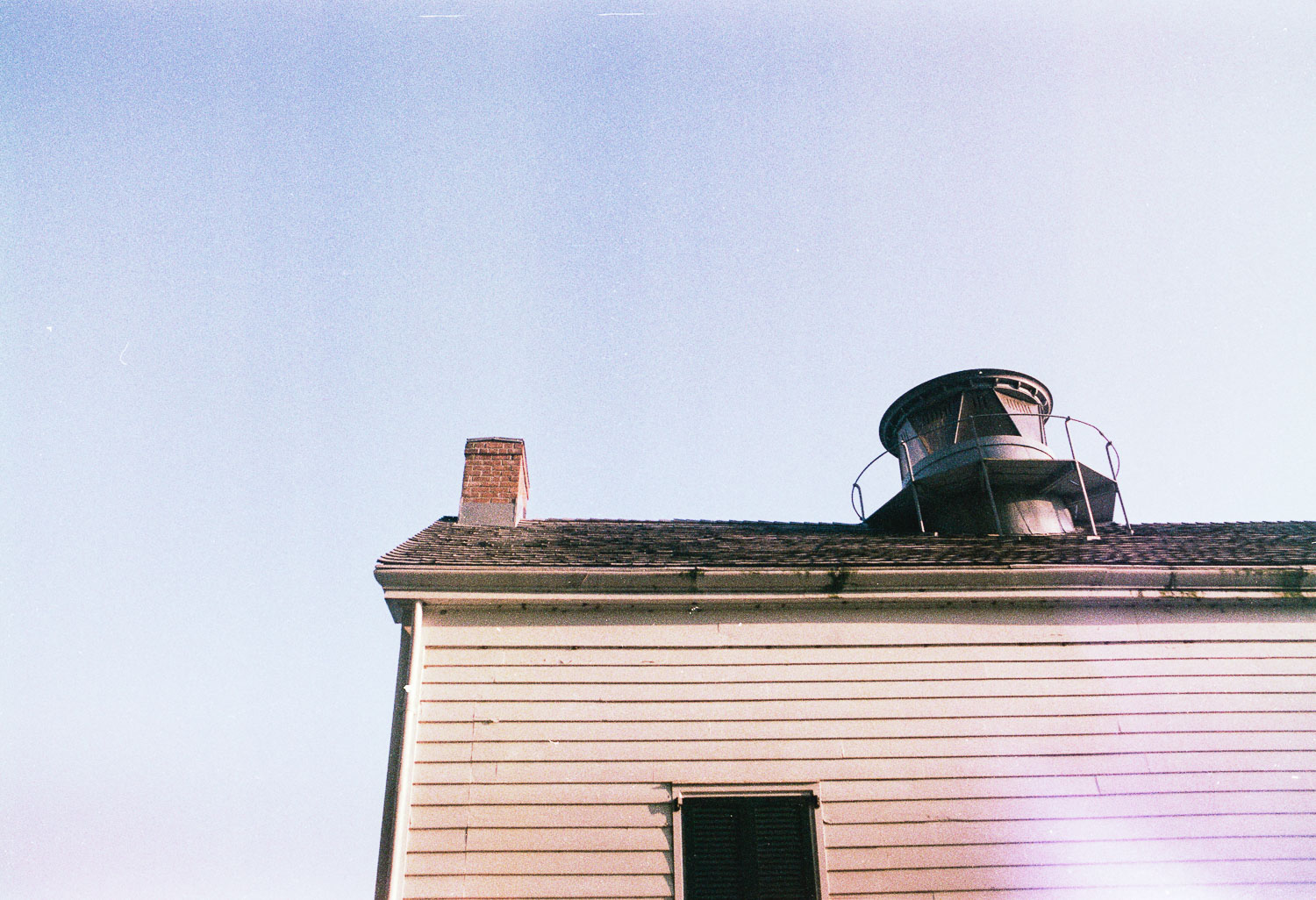
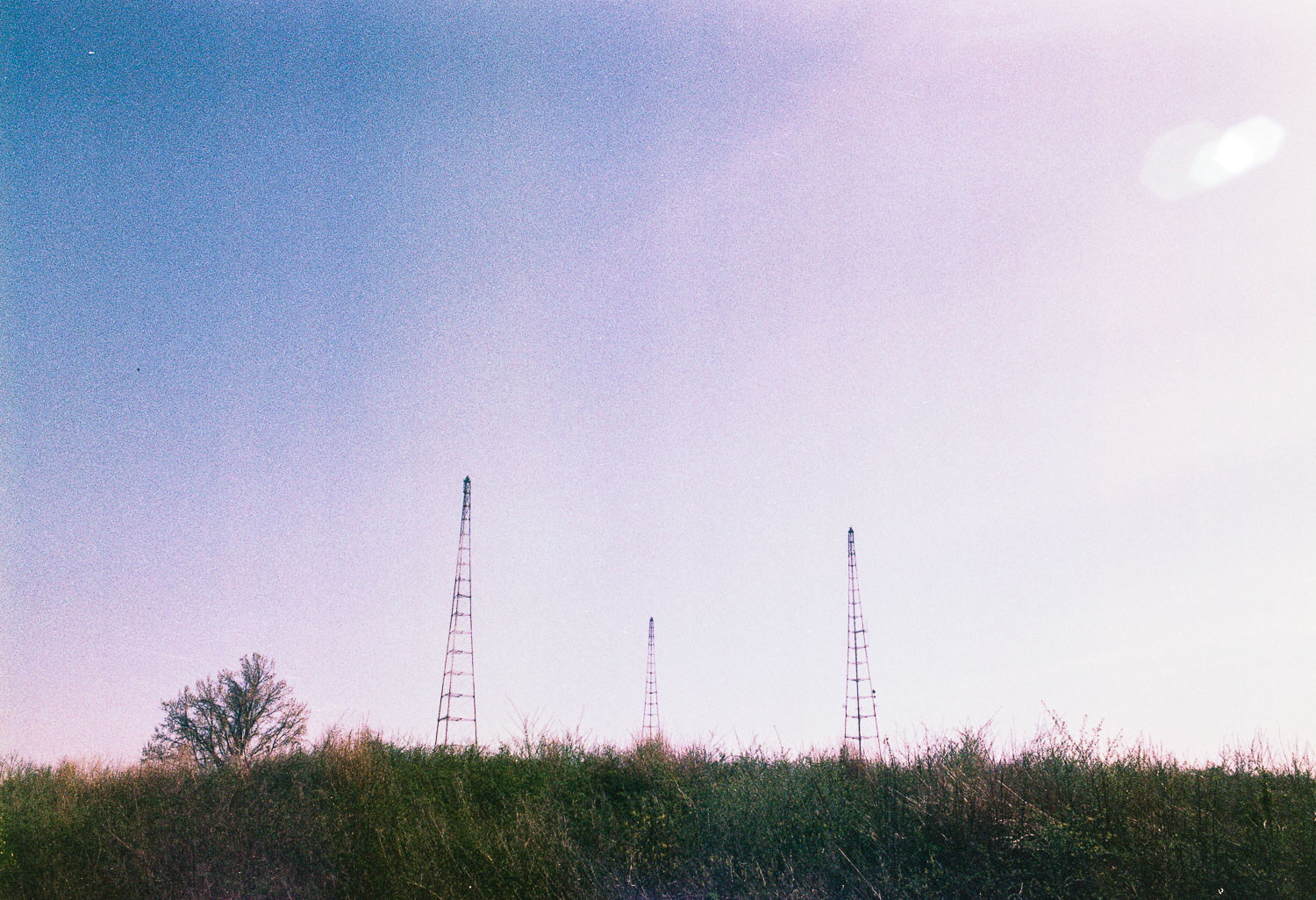
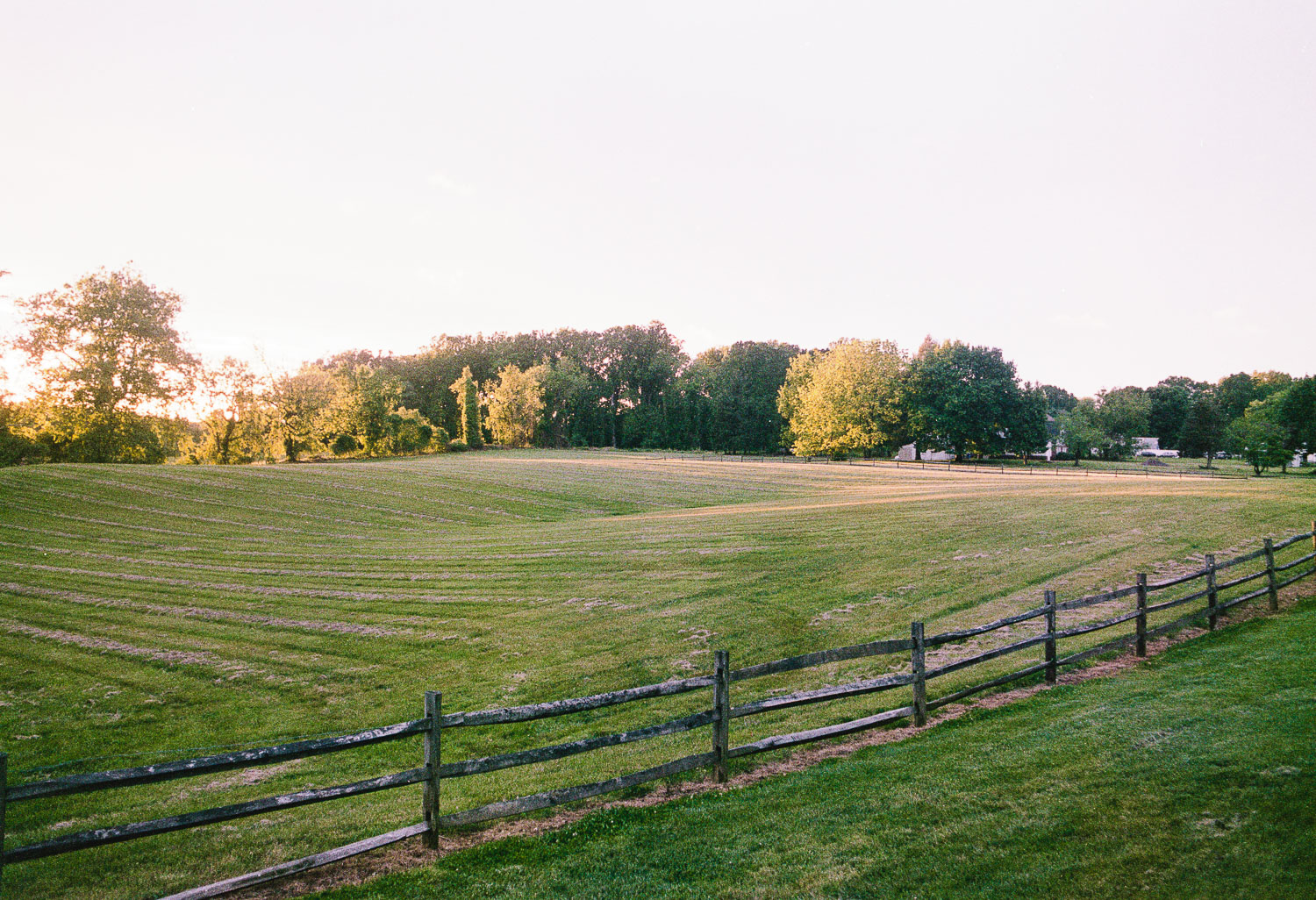
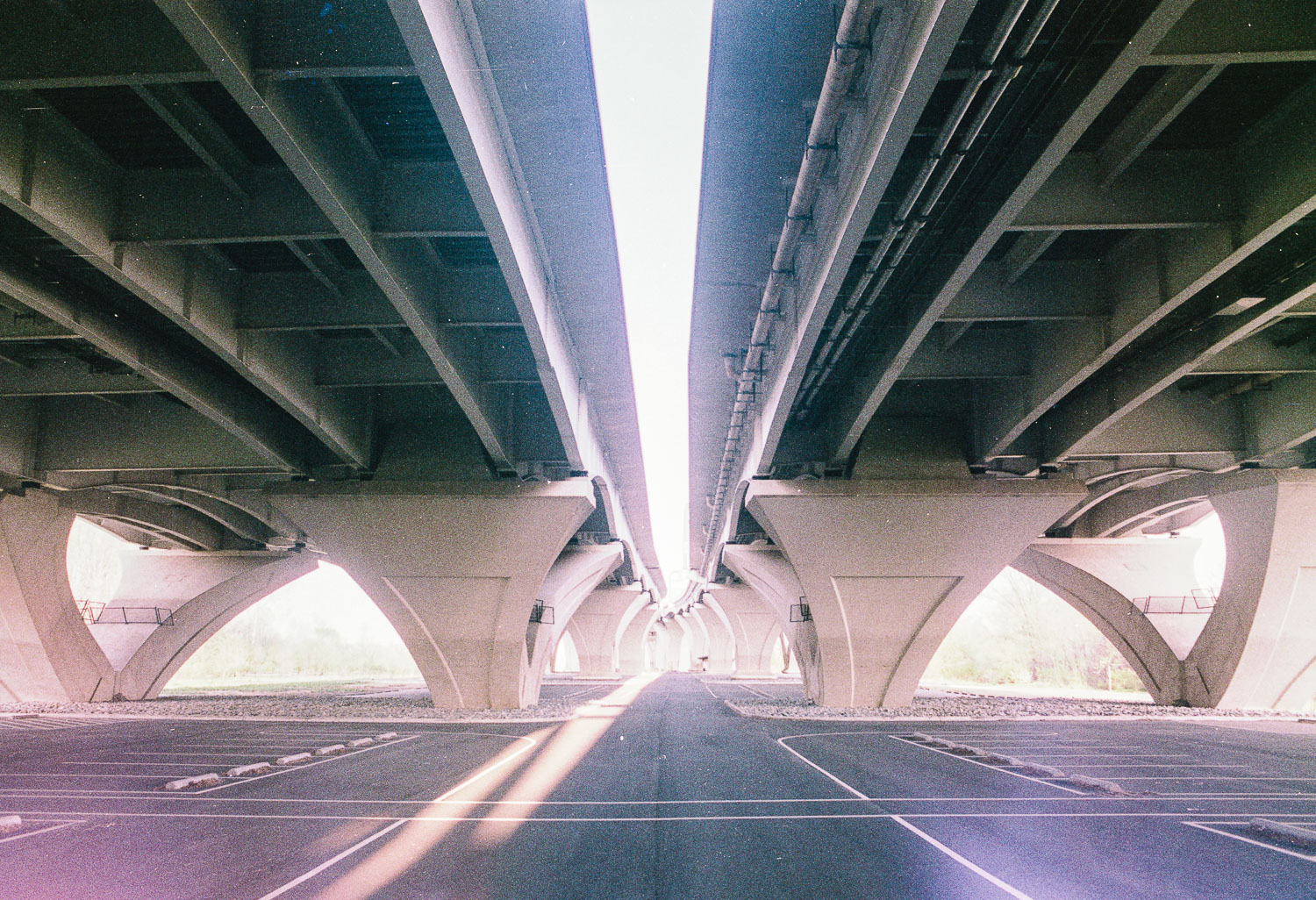
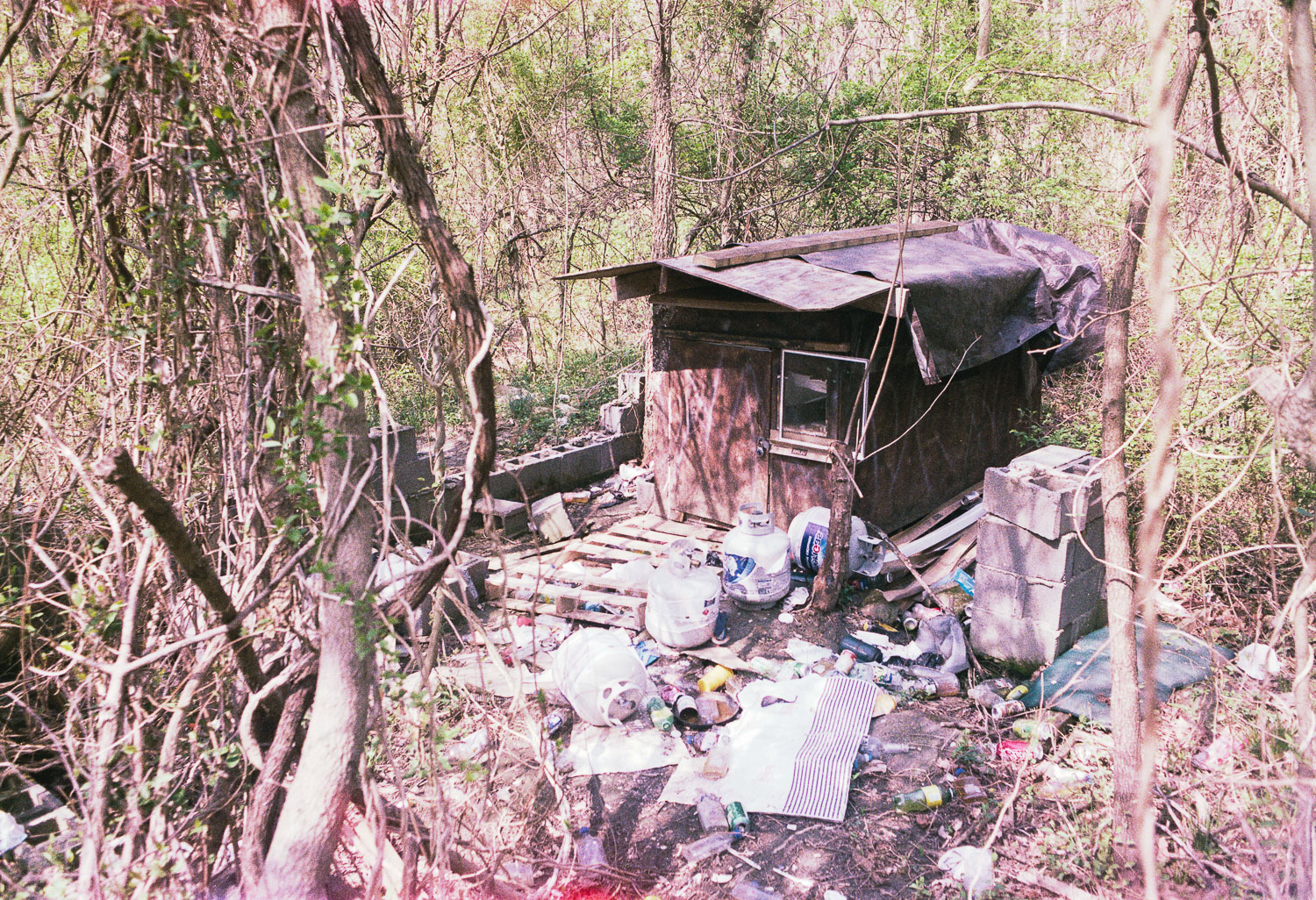
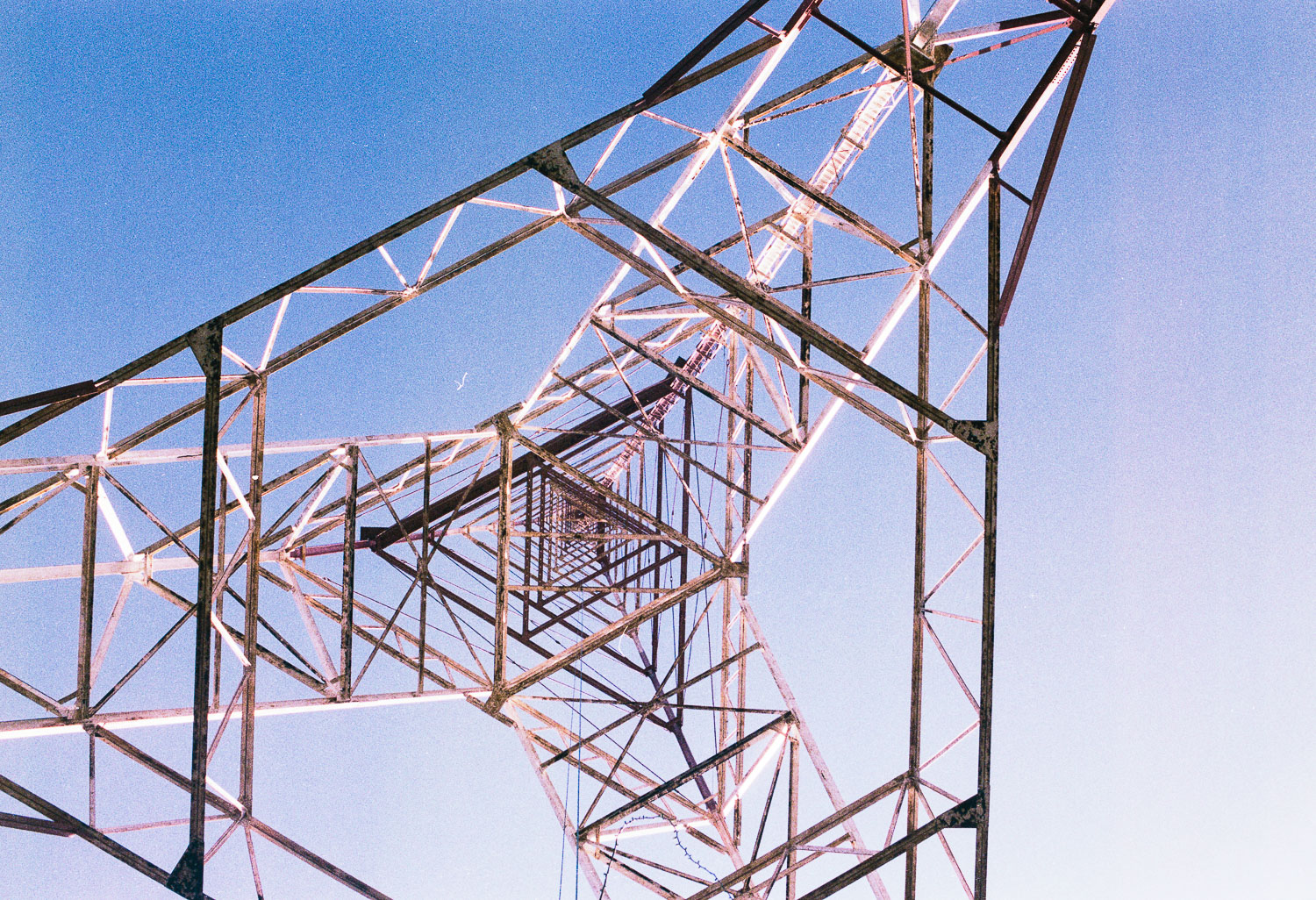
Last weekend I got caught up on this blog up through May, with my rendition of Only You, by Yaz. This month, I’m getting caught up through June with images from the last few rolls of film, which I shot throughout April, May and June–and maybe one or two frames in early April.
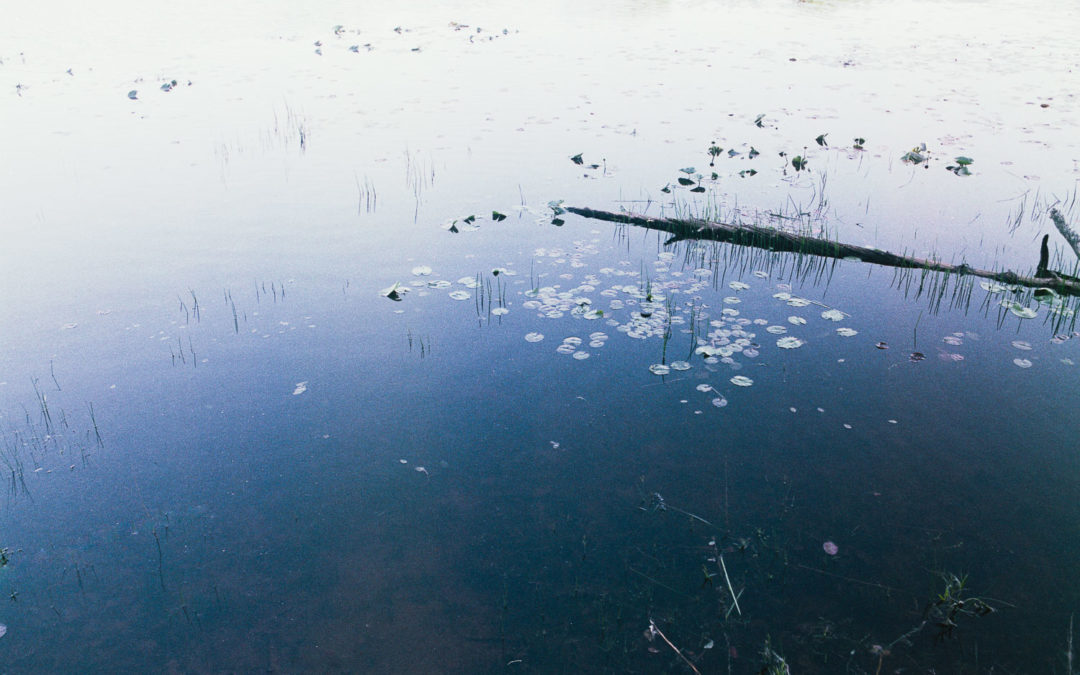
Since picking up a film camera again last year, I’ve really fallen in love with it. I didn’t realize how easy ‘photography’ had become for me, and I just kind of wanted it to be hard again. While many skills in digital photography translate to film photography, many critical ones do not.
For example, I have a keen sense of how an image will turn out when I turn the ISO on the digital camera way up, but I’m largely in the dark when I switch from an ASA400 to an ASA800 film. For now, I’m mostly just guessing at how it will turn out. Likewise, when I shoot digitally, I like to meter light for the overall scene, while my film cameras both have light meters that are center weighted—meaning, it reports a proper exposure for whatever is right in the middle of the frame. While I have an intuitive sense for proper metering, it’s approximate when it comes to film. None of these things are complaints of course—they’re the point. Ultimately, I am enjoying waiting patiently to find out if my intuition was right and see the results of my experiments.
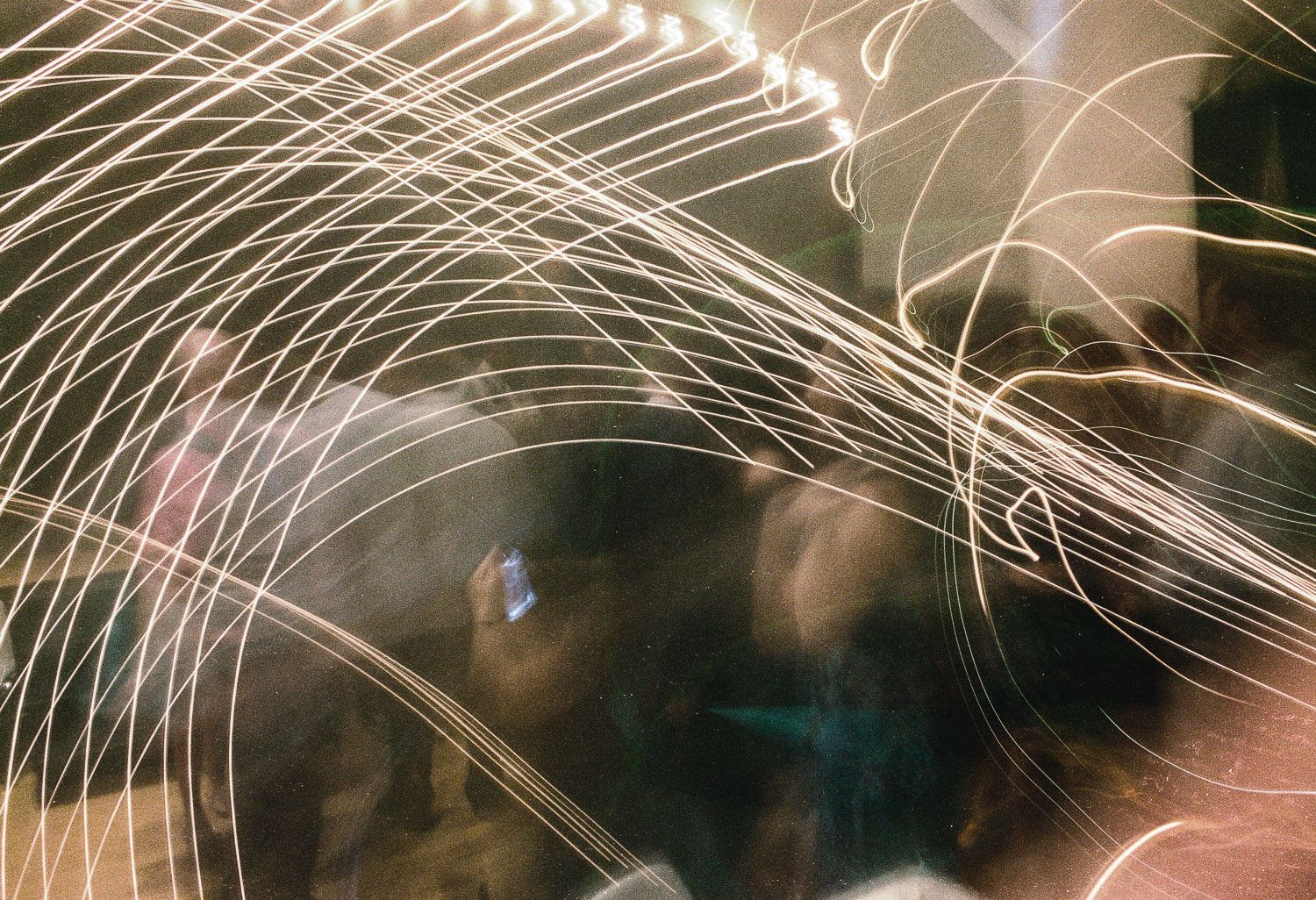
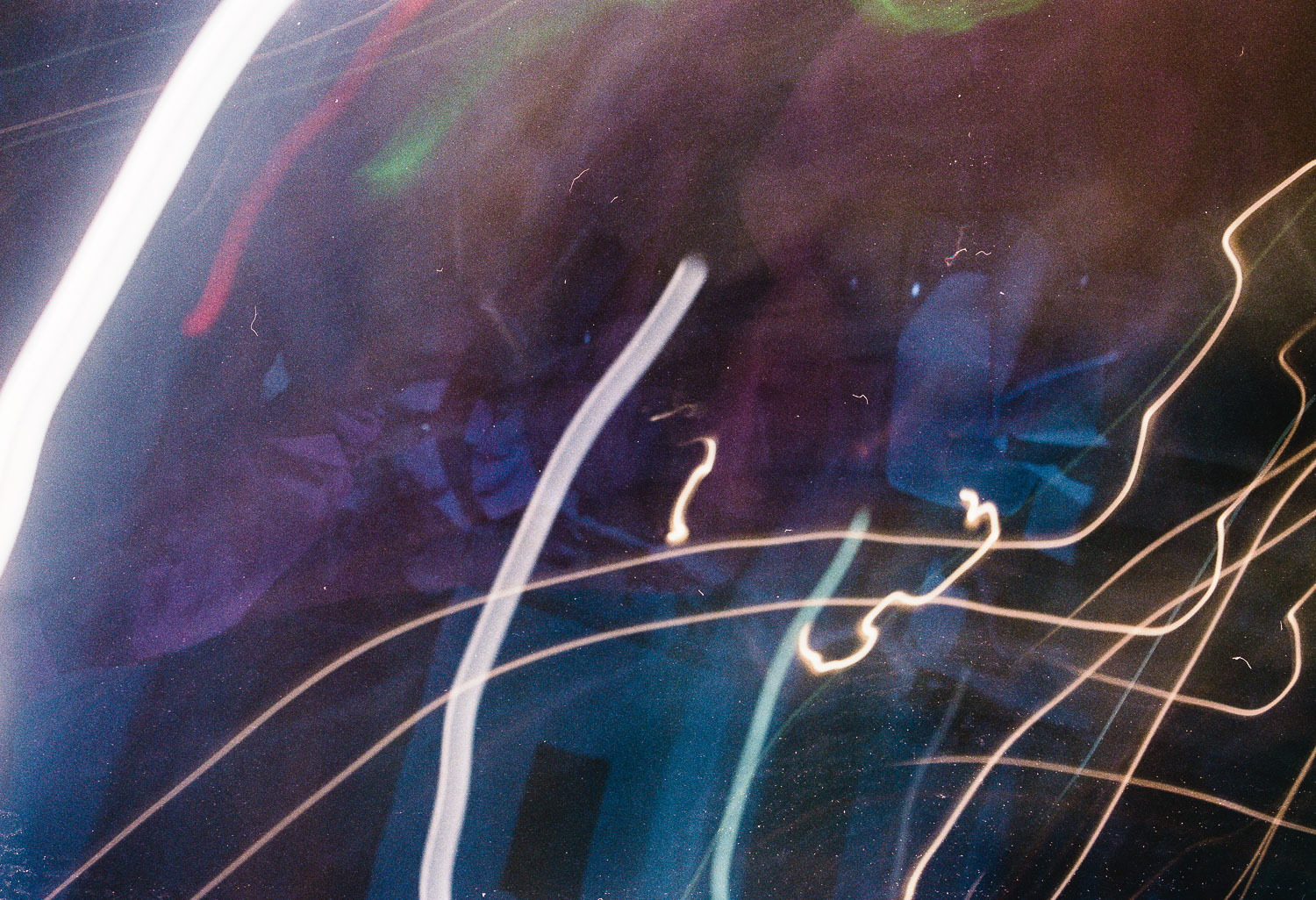
One of the most charming things about film is that, from a technical standpoint, it’s a very specific process that must be followed, and there is little if any room for deviation from it. Once the film goes into the camera, it doesn’t come back out until it’s done. And when it does come back out, it must be done so exactly right, or else it’ll mess with the results of the final image—in the most amazing ways. I got a healthy portion of that in these rolls of film.
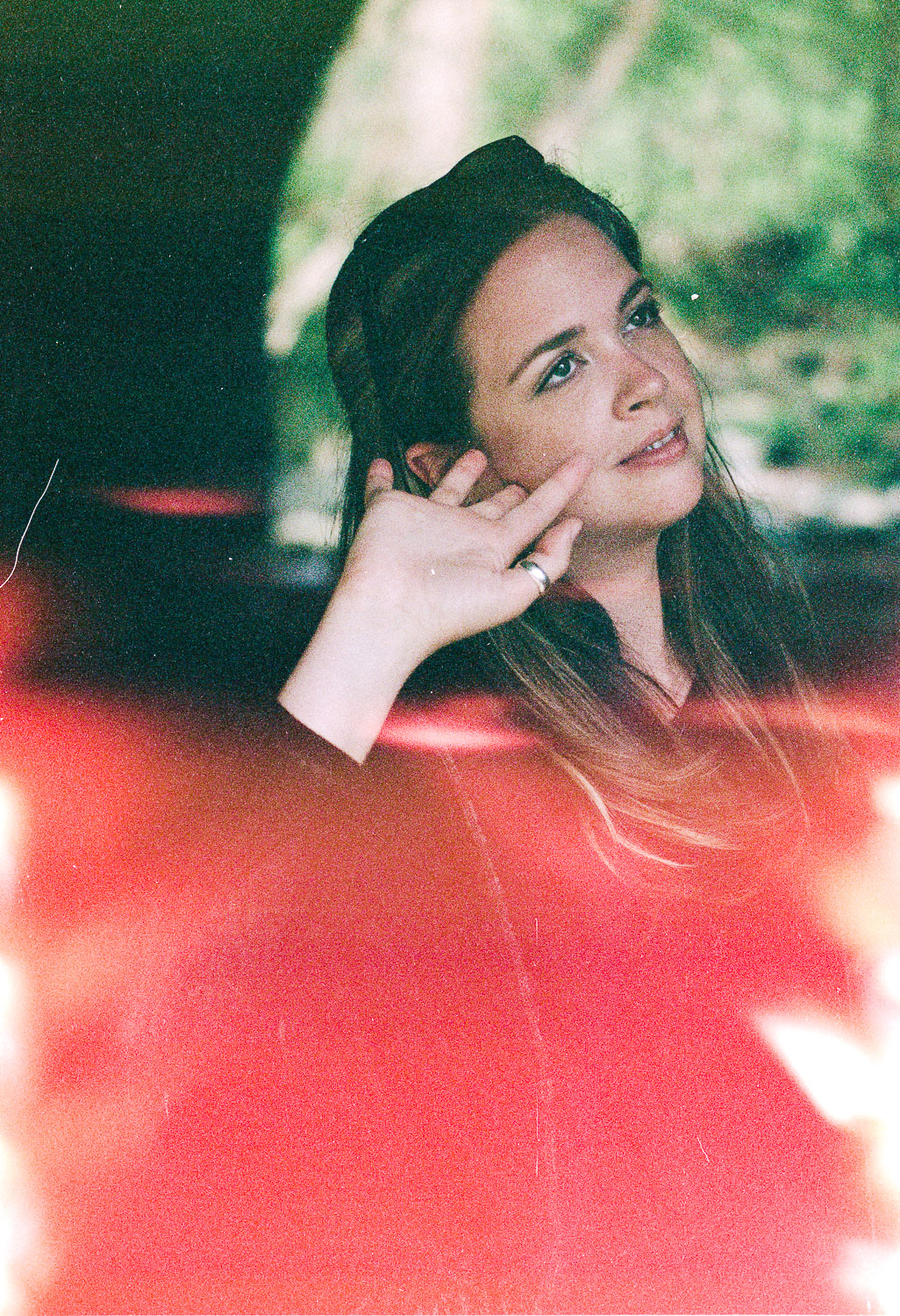
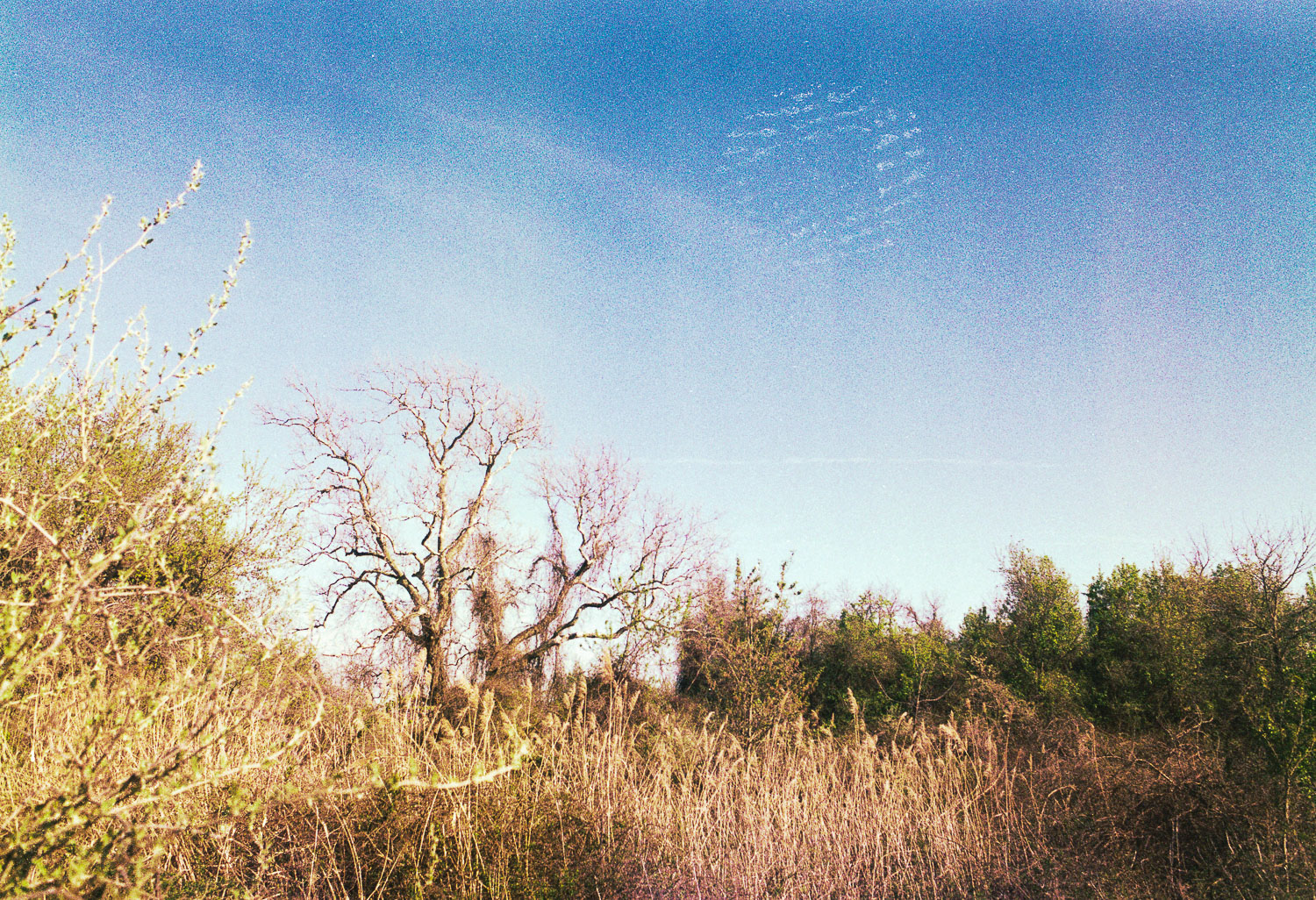
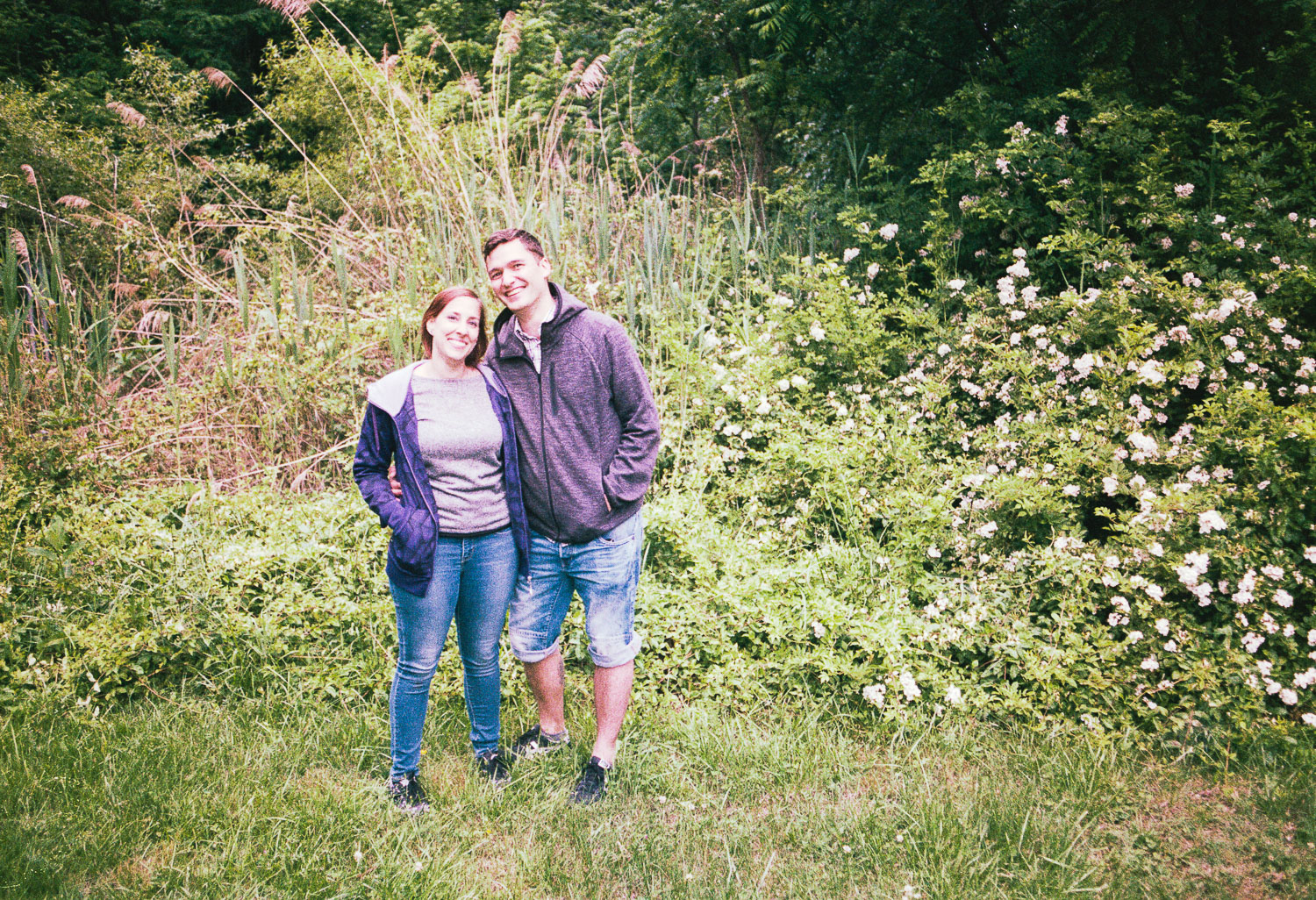
First, one of my cameras has a consistent light leak in the bottom right, which you’ll see in a bunch of these images. And, second, I botched one of these rolls of film, accidentally exposing it to light before fully winding it up to remove from the camera. Dodge-Chrome in Silver Spring saved it as best they could. In the end, botching the roll did some fantastic things to some of these images, so I’ve included them.
For me, a roll of film may take weeks to finish. I tend to bring it along with me on portrait sessions for clients and if the mood strikes me, I pull it out and try to get one or two nice frames. Since I’ve been getting my bearings, I’m considering doing a dedicated portrait project on film to burn through a couple of rolls in one shot.
In other news, I’ve also just come upon a couple of old film enlargers, courtesy of a recent wedding client. When I have some time and space, I’ll see if I can make some of my own prints.
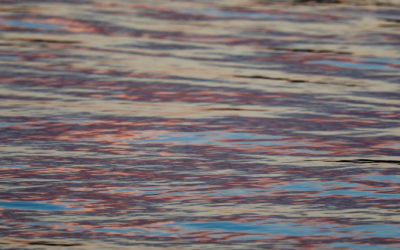
Infinitely Looping Video Clips in January
January was a lot of things. “productive”, “comfortable” and “optimistic”, didn’t describe any of them. However, “busy”, “distracting”, and “motivating” were somewhere on the list. After taking a break from the monthly project in December, I wanted to get onto...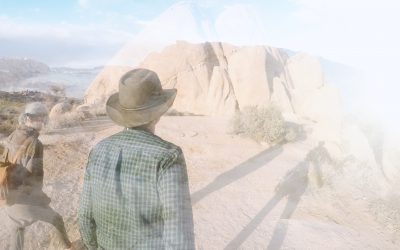
Editing Ryan & Leah’s Engagement Video in August
August was an incredibly busy month for me, and September is shaping up to be even more intense. Hence this post coming almost halfway through September. Nevertheless, I’ve committed myself to working on and publishing something creatively challenging...
Why education matters to someone who didn’t get one
When I was about 16 years old, I dropped out of high school. I’ve waffled on whether that was the right decision, but I’ve never really regretted it. The school system we had wasn’t right for me. I’ve never excelled under ‘authoritarian’ conditions and even in...